Field note
Exploring the Impact of the Ketogenic Diet on Cholesterol Levels
Discover how the ketogenic diet impacts cholesterol levels, including LDL and HDL, and learn tips for managing your heart health.

The ketogenic dietketogenic diet , often referred to simply as the keto diet, is a dietary approach that emphasizes a significant reduction in carbohydrate intake while increasing the consumption of fats. This shift in macronutrient ratios aims to induce a metabolic state known as ketosis, where the body becomes highly efficient at burning fat for energy instead of relying on carbohydrates. Research suggests that such a Low-Carb Diet Improve Liver Function in People by drastically lowering carbohydrate intake to about 5-10% of total daily calories and increasing fat intake to around 70-75%, fundamentally altering how the body processes energy. For those interested in financial strategies, the Ultimate Guide to Cryptocurrency Exchanges Finding the right platform can be just as transformative. Unlike traditional diets that often focus on calorie restriction or balanced macronutrient ratios, the ketogenic diet prioritizes fat as the primary fuel source. , is a dietary approach that emphasizes a significant reduction in carbohydrate intake while increasing the consumption of fats. This shift in macronutrient ratios aims to induce a metabolic state known as ketosis, where the body becomes highly efficient at burning fat for energy instead of relying on carbohydrates. Research suggests that such a Low-Carb Diet Improve Liver Function in People by drastically lowering carbohydrate intake to about 5-10% of total daily calories and increasing fat intake to around 70-75%, fundamentally altering how the body processes energy. For those interested in financial strategies, the Ultimate Guide to Cryptocurrency Exchanges Finding the right platform can be just as transformative. Unlike traditional diets that often focus on calorie restriction or balanced macronutrient ratios, the ketogenic diet prioritizes fat as the primary fuel source.
This is a stark contrast to many popular diets that advocate for a higher carbohydrate intake. The typical macronutrient breakdown of a ketogenic diet includes approximately 70-75% fats, 20-25% protein, and only about 5-10% carbohydrates. This unique composition not only promotes weight loss but also has been linked to various health benefits, including improved mental clarity and increased energy levels. One of the key principles of the keto diet is its ability to shift the body's metabolism from glucose dependence to fat utilization. When carbohydrates are restricted, the liver converts fatty acids into ketones, which serve as an alternative energy source for the brain and other tissues.
This metabolic transition can lead to significant changes in body composition and has garnered attention for its potential therapeutic effects on conditions such as epilepsy, type 2 diabetes, and even certain neurological disorders. As we delve deeper into the implications of the ketogenic diet on health markers like cholesterol levels, it is essential to understand these foundational principles. The unique approach of the keto diet not only sets it apart from other dietary strategies but also raises important questions about its long-term effects on cardiovascular health and lipid profiles.
How the Ketogenic Diet Works
The ketogenic diet, commonly referred to as the keto diet, fundamentally alters the way your body derives energy. This shift is primarily achieved through a metabolic state known as ketosis. To understand how this process works, it’s essential to first grasp the typical energy sources our bodies utilize. Under normal circumstances, the body relies heavily on carbohydrates for energy.When you consume carbs, they are broken down into glucose, which is then used as the primary fuel source. However, when you significantly reduce carbohydrate intake, your body enters a state of ketosis, where it begins to burn fat for fuel instead. During ketosis, the liver converts fatty acids into ketone bodies , which serve as an alternative energy source. This process not only helps in weight loss but also has implications for cholesterol levels. Here’s how it unfolds:
-
Reduced Insulin Levels: Lower carbohydrate intake leads to decreased insulin levels.
Insulin is a hormone that facilitates glucose uptake and fat storage. With less insulin in circulation, the body becomes more efficient at mobilizing fat stores for energy.
- Increased Fat Oxidation: As the body adapts to using fat as its primary fuel source, it increases the rate of fat oxidation. This means that stored fats are broken down more rapidly, leading to a reduction in overall body fat.
- Keto Adaptation: Over time, the body becomes more efficient at producing and utilizing ketones. This adaptation can take several days to weeks and is characterized by increased energy levels and improved mental clarity.
Many individuals experience a decrease in triglycerides and an increase in high-density lipoprotein (HDL) cholesterol, often referred to as "good" cholesterol. However, it’s important to note that some may see an increase in low-density lipoprotein (LDL) cholesterol, or "bad" cholesterol. Understanding these biochemical processes is crucial for anyone considering the keto diet, especially those concerned about their cholesterol levels. By shifting from carbohydrates to fats as a primary energy source, the keto diet not only promotes weight loss but also influences how cholesterol is managed within the body.
Cholesterol: The Good, The Bad, and The Ugly
Understanding cholesterol is crucial for anyone considering dietary changes, especially with the rise of the keto diet. Cholesterol is a waxy substance found in your blood, and it plays several essential roles in the body, including hormone production and cell membrane formation.However, not all cholesterol is created equal. There are different types of cholesterol, primarily categorized into low-density lipoprotein (LDL), high-density lipoprotein (HDL), and triglycerides.
LDL Cholesterol: The "Bad" Cholesterol
LDL cholesterol is often referred to as "bad" cholesterol because high levels can lead to plaque buildup in your arteries. This buildup can narrow the arteries and increase the risk of heart disease and stroke. It’s important to monitor LDL levels, especially for individuals with pre-existing health conditions or a family history of heart disease.
HDL Cholesterol: The "Good" Cholesterol
In contrast, HDL cholesterol is known as "good" cholesterol.
It helps remove other forms of cholesterol from your bloodstream, transporting it to the liver for excretion or recycling. Higher levels of HDL are associated with a lower risk of heart disease. Therefore, increasing HDL levels is often a goal for those looking to improve their cardiovascular health.
Triglycerides: A Different Type of Fat
Triglycerides are another type of fat found in your blood. They store excess energy from your diet and can be converted into energy when needed.
However, high triglyceride levels can also contribute to the hardening of arteries, increasing the risk of heart disease. Factors such as obesity, excessive alcohol consumption, and a diet high in carbohydrates can elevate triglyceride levels. When considering the keto diet, it’s essential to understand how these different types of cholesterol interact with dietary fats. While some individuals may experience an increase in LDL cholesterol when following a high-fat diet like keto, others may see improvements in their HDL levels and reductions in triglycerides. This variability underscores the importance of personalized dietary approaches and regular monitoring of cholesterol levels. In summary, knowing the differences between LDL, HDL, and triglycerides is vital for understanding how dietary choices impact overall health.
The keto diet can influence these lipid profiles significantly, making it essential to approach this dietary strategy with informed awareness.
The Relationship Between the Ketogenic Diet and Cholesterol Levels
The impact of the ketogenic diet on cholesterol levels has been a topic of considerable interest and research. Understanding how this low-carb, high-fat diet influences lipid profiles is crucial for individuals considering its adoption, especially those with pre-existing cholesterol concerns. Research indicates that the ketogenic diet can lead to varying effects on cholesterol levels, which can be categorized into both positive and negative outcomes. For many individuals, the diet is associated with a decrease in triglycerides, which is a favorable change. Elevated triglyceride levels are often linked to an increased risk of cardiovascular disease, so a reduction in these levels can be beneficial. Moreover, studies have shown that the ketogenic diet often results in an increase in HDL cholesterol , commonly referred to as "good" cholesterol.Higher levels of HDL are associated with a lower risk of heart disease, as this type of cholesterol helps remove other forms of cholesterol from the bloodstream. However, the effects on LDL cholesterol , or "bad" cholesterol, can be more complex. Some individuals may experience an increase in LDL levels while following a ketogenic diet. This rise can be concerning, particularly for those with a history of heart disease or elevated cholesterol levels. The variability in response may be attributed to individual factors such as genetics, initial health status, and adherence to the diet. In a comprehensive review comparing low-carb diets to traditional low-fat diets, participants on ketogenic diets exhibited greater weight loss and improved HDL levels but also showed higher LDL levels compared to those on low-fat diets.
This finding underscores the importance of monitoring lipid profiles when adopting a ketogenic lifestyle. For individuals with pre-existing high cholesterol, it is essential to tailor the ketogenic diet carefully. Incorporating healthy fats from sources like avocados, nuts, and olive oil while minimizing saturated fats from processed foods can help mitigate potential increases in LDL cholesterol. Ultimately, while many people may find that the ketogenic diet stabilizes their LDL levels or even lowers them, others might experience adverse effects. Regular check-ups with healthcare providers are recommended to ensure that any dietary changes are safe and effective for managing cholesterol levels.
Individual Responses to the Ketogenic Diet
The ketogenic diet is not a one-size-fits-all approach, and individual responses can vary significantly based on several factors. Understanding these differences is essential for anyone considering this dietary regimen, especially those concerned about cholesterol levels.Genetics
play a crucial role in how our bodies metabolize fats and carbohydrates.
Some individuals may have genetic predispositions that affect lipid metabolism, influencing how their cholesterol levels respond to a high-fat diet. For instance, certain genetic variations can lead to higher production of LDL cholesterol or lower levels of HDL cholesterol, which may counteract the benefits typically associated with the keto diet.
Moreover, pre-existing health conditions can significantly impact how one reacts to the ketogenic diet. Individuals with conditions such as familial hypercholesterolemia, a genetic disorder characterized by high cholesterol levels, may find that a high-fat diet exacerbates their situation. In contrast, those with insulin resistance or type 2 diabetes might experience improved metabolic markers when adopting a keto lifestyle.
Lifestyle factors
, including physical activity levels and dietary habits prior to starting the keto diet, also contribute to individual responses.
Active individuals may adapt more favorably to the diet, experiencing enhanced energy levels and improved lipid profiles. On the other hand, those who lead a sedentary lifestyle might struggle with weight management and see less favorable changes in their cholesterol levels. Furthermore, personalized nutrition is becoming increasingly recognized as an essential aspect of dietary planning. Tailoring the ketogenic diet to fit individual needs—such as adjusting macronutrient ratios or incorporating specific foods—can help mitigate potential negative effects on cholesterol. For example, including more omega-3 fatty acids from sources like fatty fish or flaxseeds can promote heart health and potentially counteract any adverse effects on lipid profiles. In conclusion, while the ketogenic diet can offer benefits for many individuals, it is crucial to consider personal factors that may influence its effectiveness and safety.
Consulting with healthcare professionals before embarking on this dietary journey is advisable, particularly for those with existing health concerns or unique metabolic profiles.
Managing Cholesterol While on a Ketogenic Diet
Managing cholesterol levels while adhering to a ketogenic diet is crucial for those who want to reap the benefits of this low-carb, high-fat lifestyle without compromising their heart health. Here are some practical strategies to help you maintain or even improve your cholesterol levels while on the keto diet.Choose Healthy Fats
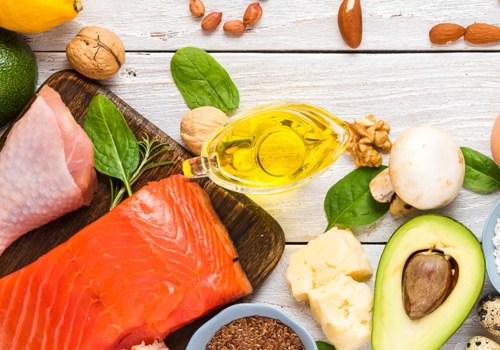
Not all fats are created equal. When following a ketogenic diet, focus on incorporating healthy fats that can positively influence your cholesterol levels. Opt for:- Monounsaturated fats: Found in olive oil, avocados, and nuts, these fats can help lower bad cholesterol (LDL) while raising good cholesterol (HDL).
- Omega-3 fatty acids: Present in fatty fish like salmon, mackerel, and sardines, omega-3s are known for their heart-protective properties and can help reduce triglycerides.
- Medium-chain triglycerides (MCTs): These fats, found in coconut oil and MCT oil, are easily metabolized and may support weight loss and improved lipid profiles.
Avoid Trans Fats and Processed Oils
Trans fats and highly processed oils can have detrimental effects on cholesterol levels.Avoid foods that contain:
- Partially hydrogenated oils
- Processed snacks and baked goods
- Fast food items
Incorporate Fiber-Rich Foods
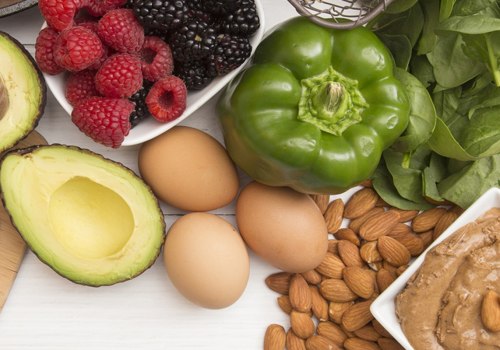
While the ketogenic diet is low in carbohydrates, it’s essential to include fiber-rich foods that can help manage cholesterol levels. Consider adding:- Non-starchy vegetables: Leafy greens, broccoli, cauliflower, and zucchini are excellent choices that provide fiber without excessive carbs.
- Nuts and seeds: Almonds, chia seeds, and flaxseeds not only offer healthy fats but also contribute to your daily fiber intake.
- Berries: In moderation, berries like strawberries and blueberries can provide antioxidants and fiber while keeping carb counts low.
Stay Hydrated and Active
Adequate hydration is vital for overall health and can aid in managing cholesterol levels. Aim to drink plenty of water throughout the day. Additionally, regular physical activity can significantly impact your lipid profile.Incorporate both aerobic exercises and strength training into your routine to help improve HDL levels and lower LDL levels. By making informed food choices and maintaining an active lifestyle, you can effectively manage your cholesterol levels while enjoying the benefits of a ketogenic diet. Always consult with a healthcare professional before making significant dietary changes, especially if you have pre-existing health conditions.
Potential Risks and Side Effects of the Ketogenic Diet
While the ketogenic diet has gained popularity for its potential benefits in weight loss and metabolic health, it is essential to consider the potential risks and side effects associated with this dietary approach, particularly concerning heart health and cholesterol levels. One of the primary concerns regarding the keto diet is its high-fat content, which can lead to fluctuations in cholesterol levels. Although many individuals experience an increase in HDL (good) cholesterol and a decrease in triglycerides, some may see a rise in LDL (bad) cholesterol. This variability can be influenced by several factors, including genetics, pre-existing health conditions, and the specific types of fats consumed. For those with a history of heart disease or elevated cholesterol levels, the ketogenic diet may pose additional risks.It is crucial for these individuals to consult with a healthcare professional before embarking on this dietary regimen. A tailored approach that emphasizes healthy fats—such as those from avocados, nuts, and olive oil—can help mitigate potential adverse effects on cholesterol levels. Another common issue faced by individuals starting the keto diet is the so-called “keto flu.” This term describes a collection of symptoms that can occur as the body transitions from burning carbohydrates to utilizing fats for energy. Symptoms may include:
- Fatigue
- Dizziness
- Nausea
- Headaches
- Irritability
- Difficulty sleeping
Additionally, pregnant or breastfeeding women should approach this diet cautiously, as it may not provide sufficient nutrients for both mother and child. In summary, while the ketogenic diet can offer benefits for many, it is not suitable for everyone. Understanding the risks of the ketogenic diet, particularly regarding heart health and cholesterol levels, is vital for making informed dietary choices. Consulting with a healthcare provider can help ensure that any dietary changes align with individual health needs and goals.
Consulting Healthcare Professionals Before Starting Keto
Before embarking on a ketogenic diet, it is crucial to consult with healthcare professionals. This step is essential for ensuring that the diet aligns with your individual health needs and conditions.A healthcare provider can offer personalized advice based on your medical history, current health status, and any medications you may be taking.
Why Consult a Doctor?
- Individual Health Assessment: Each person's body responds differently to dietary changes. A doctor can assess your overall health and determine if the keto diet is suitable for you.
- Monitoring Pre-existing Conditions: If you have conditions such as diabetes, heart disease, or high cholesterol, a healthcare professional can help monitor these conditions while you follow the keto diet.
- Medication Adjustments: The ketogenic diet can affect how certain medications work, particularly those for diabetes and hypertension. Your doctor may need to adjust dosages accordingly.
Health Checks Before Starting Keto
Prior to starting the keto diet, consider undergoing several health checks:
- Blood Tests: A comprehensive metabolic panel can provide insights into your cholesterol levels, liver function, and kidney function. This information is vital for understanding how your body might react to a high-fat diet.
- Body Composition Analysis: Understanding your body fat percentage and muscle mass can help tailor the keto diet to your specific weight loss or health goals.
- Nutritional Deficiencies: A healthcare provider can evaluate if you have any deficiencies that need to be addressed before starting the diet.
When to See a Doctor During Keto
If you decide to proceed with the ketogenic diet, regular check-ins with your healthcare provider are advisable.
This is especially important if you experience any adverse effects such as:
- Severe fatigue or weakness
- Unusual changes in mood or mental clarity
- Gastrointestinal issues that persist beyond the initial adjustment period
- Signs of dehydration or electrolyte imbalances
Conclusion: Is the Ketogenic Diet Right for You?
In summary, the relationship between the ketogenic diet and cholesterol levels is complex and varies significantly from person to person. While many individuals experience positive changes in their lipid profiles, including increased levels of HDL (the "good" cholesterol) and decreased triglycerides, others may see a rise in LDL (the "bad" cholesterol). This variability underscores the importance of personal health factors when considering whether to adopt a ketogenic lifestyle. Before embarking on the keto diet, it is crucial to evaluate your individual health circumstances.If you have pre-existing conditions such as high cholesterol or heart disease, consulting with a healthcare professional is essential. They can provide tailored advice and monitor your progress to ensure that the diet does not adversely affect your health. For those who are generally healthy and looking to lose weight or improve metabolic health, the ketogenic diet may offer significant benefits. However, it is vital to approach this diet with a well-informed mindset. Understanding how your body responds to dietary fats and carbohydrates can help you make more informed choices about your food intake. Ultimately, the decision to try the keto diet should be based on a thorough assessment of your health goals, lifestyle preferences, and any potential risks.
It is also beneficial to consider alternative dietary approaches that may align better with your personal health needs. In conclusion, while the ketogenic diet can be an effective tool for many individuals seeking weight loss and improved cholesterol levels, it is not a one-size-fits-all solution. By taking into account your unique health profile and working closely with healthcare professionals, you can determine if this dietary approach is right for you.