Field note
Exploring the Impact of a Keto Diet on Nonalcoholic Fatty Liver Disease Prevention
Explore how a keto diet may help prevent nonalcoholic fatty liver disease (NAFLD) through weight loss and improved metabolic health.

Nonalcoholic Fatty Liver Disease (NAFLD) is a condition characterized by the accumulation of excess fat in the liver of individuals who consume little to no alcohol. This disease has become increasingly prevalent, particularly in Western countries, where lifestyle factors such as poor diet and sedentary behavior contribute significantly to its rise. Understanding NAFLD is essential, as it can lead to more severe liver conditions, including nonalcoholic steatohepatitis (NASH), cirrhosis, and even liver cancer if left unaddressed. Additionally, recent studies have shown a potential link between NAFLD and the fatty liver ketogenic diet, with concerns about whether or not the keto diet can contribute to kidney stones in individuals with a history of kidney stones and following a keto diet. Nonalcoholic Fatty Liver Disease (NAFLD) is a condition characterized by the accumulation of excess fat in the liver of individuals who consume little to no alcohol. This disease has become increasingly prevalent, particularly in Western countries, where lifestyle factors such as poor diet and sedentary behavior contribute significantly to its rise. Understanding NAFLD is essential, as it can lead to more severe liver conditions, including nonalcoholic steatohepatitis (NASH), cirrhosis, and even liver cancer if left unaddressed. Additionally, recent studies have shown a potential link between NAFLD and the fatty liver ketogenic diet, with concerns about whether or not the keto diet can contribute to kidney stones in individuals with a history of kidney stones and following a keto diet.
This raises the question: is keto bad for your liver? This makes it crucial to carefully consider dietary choices, including the use of the best keto pills, for those at risk of developing this condition. Furthermore, individuals with a history of kidney stones should be cautious when following a keto diet, as it may increase their risk for developing This raises the question: is keto bad for your liver? This makes it crucial to carefully consider dietary choices, including the use of the best keto pills, for those at risk of developing this condition. Furthermore, individuals with a history of kidney stones should be cautious when following a keto diet, as it may increase their risk for developing ? This makes it crucial to carefully consider dietary choices, including the use of the best keto pills, for those at risk of developing this condition. Furthermore, individuals with a history of kidney stones should be cautious when following a keto diet, as it may increase their risk for developing This raises the question: is keto bad for your liver? This makes it crucial to carefully consider dietary choices, including the use of the best keto pills, for those at risk of developing this condition. Furthermore, individuals with a history of kidney stones should be cautious when following a keto diet, as it may increase their risk for developing keto diet kidney stones. The primary causes of NAFLD are closely linked to metabolic syndrome, which includes obesity, insulin resistance, high blood sugar levels, and dyslipidemia. These factors create an environment conducive to fat accumulation in the liver. This raises the question: is keto bad for your liver? This makes it crucial to carefully consider dietary choices, including the use of the best keto pills, for those at risk of developing this condition. Furthermore, individuals with a history of kidney stones should be cautious when following a keto diet, as it may increase their risk for developing keto diet kidney stones. The primary causes of NAFLD are closely linked to metabolic syndrome, which includes obesity, insulin resistance, high blood sugar levels, and dyslipidemia. These factors create an environment conducive to fat accumulation in the liver.
Additionally, genetic predisposition and certain medications can also play a role in the development of this condition. As the prevalence of obesity continues to rise globally, so does the incidence of NAFLD, making it a significant public health concern. Symptoms of NAFLD can often be subtle or nonexistent in the early stages, which makes it challenging to diagnose without medical intervention. Some individuals may experience fatigue, discomfort in the upper right abdomen, or unexplained weight loss. However, many remain asymptomatic until the disease progresses to a more severe stage.
Regular check-ups and liver function tests are crucial for early detection and management. Maintaining optimal liver health is vital for overall well-being. The liver plays a critical role in various bodily functions, including detoxification, metabolism, and nutrient storage. As such, understanding the implications of dietary choices on liver health is paramount. With rising interest in dietary interventions like the keto diet, exploring their potential benefits and risks for individuals at risk of or suffering from NAFLD is essential for informed decision-making.
What is the Keto Diet?
The keto diet , short for ketogenic diet, is a dietary approach that emphasizes a high intake of fats, moderate protein consumption, and a significant reduction in carbohydrates.This macronutrient composition is designed to shift the body’s metabolism from relying on glucose derived from carbohydrates to utilizing fat as its primary energy source. When carbohydrate intake is drastically reduced, the body enters a metabolic state known as ketosis, where it begins to break down fat into ketones, which serve as an alternative fuel source for the brain and other organs. Typically, the macronutrient breakdown of a standard keto diet consists of approximately:
- 70-75% of total daily calories from fats
- 20-25% from protein
- 5-10% from carbohydrates
- Weight Loss: By reducing carbohydrate intake, the body is forced to burn stored fat for energy, leading to weight loss.
- Improved Blood Sugar Control: The keto diet can help stabilize blood sugar levels, making it particularly beneficial for individuals with type 2 diabetes or insulin resistance.
- Enhanced Mental Clarity: Many individuals report improved focus and mental clarity when in ketosis, likely due to the brain's efficient use of ketones for energy.
- Reduced Inflammation: Some studies suggest that a ketogenic diet may help lower inflammation markers in the body, which can be beneficial for overall health.
- Potential Therapeutic Effects: Emerging research indicates that the keto diet may have therapeutic effects for certain neurological disorders, such as epilepsy and Alzheimer’s disease.
The Relationship Between Diet and Liver Health
The liver is a vital organ responsible for numerous functions, including detoxification, metabolism, and the production of essential proteins.Given its crucial role, maintaining liver health through proper nutrition is paramount. Various diets can significantly impact liver function and overall health, particularly in the context of preventing liver diseases such as nonalcoholic fatty liver disease (NAFLD). One of the primary ways diet influences liver health is through its effect on body weight and fat accumulation. Excessive caloric intake, especially from refined carbohydrates and unhealthy fats, can lead to increased fat deposits in the liver. This accumulation can trigger inflammation and eventually progress to more severe liver conditions.
Therefore, adopting a balanced diet that emphasizes whole foods is essential for maintaining a healthy liver.
Key Dietary Components for Liver Health
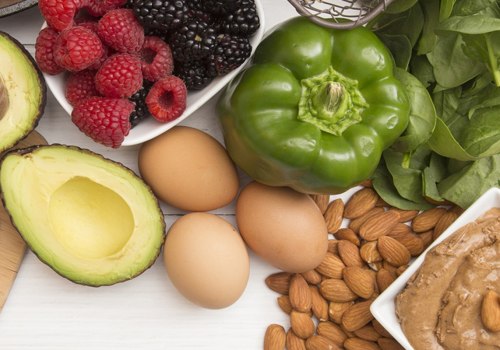
- Healthy Fats: Incorporating sources of healthy fats, such as avocados, nuts, and olive oil, can support liver function. These fats help reduce inflammation and improve insulin sensitivity.
- Lean Proteins: Consuming lean protein sources like fish, poultry, and legumes provides the necessary building blocks for liver repair and regeneration.
- Fruits and Vegetables: A diet rich in fruits and vegetables supplies antioxidants that combat oxidative stress in the liver. Cruciferous vegetables like broccoli and Brussels sprouts are particularly beneficial due to their ability to enhance detoxification processes.
- Whole Grains: Whole grains provide fiber that aids in digestion and helps regulate blood sugar levels, reducing the risk of fat accumulation in the liver.
The Role of Specific Diets
While many diets can promote liver health, some have gained attention for their potential benefits in preventing NAFLD. For instance, the Mediterranean diet, characterized by high consumption of fruits, vegetables, whole grains, fish, and healthy fats, has been associated with improved liver function and reduced fat accumulation. On the other hand, diets high in refined sugars and saturated fats can exacerbate liver issues.
The keto diet, which emphasizes low carbohydrate intake while increasing fat consumption, has shown promise in some studies for reducing liver fat. However, it is essential to approach this diet cautiously as it may not be suitable for everyone and could potentially lead to adverse effects if not balanced properly. In conclusion, nutrition plays a pivotal role in maintaining liver health and preventing diseases like NAFLD. A well-rounded diet that prioritizes whole foods while minimizing processed items can significantly enhance liver function and overall well-being.
How the Keto Diet Affects Fatty Liver Disease
The relationship between the keto diet and nonalcoholic fatty liver disease (NAFLD) has garnered significant attention in recent years, particularly as more individuals seek dietary solutions for liver health. Research indicates that the ketogenic diet, characterized by its high-fat and low-carbohydrate composition, may play a pivotal role in reducing liver fat and improving overall liver function. One of the primary mechanisms through which the keto diet affects fatty liver disease is by reducing lipogenesis.Lipogenesis is the metabolic process where carbohydrates are converted into fatty acids, which can accumulate in the liver. By significantly lowering carbohydrate intake, the keto diet minimizes this conversion process, thereby reducing the amount of fat that can be deposited in liver tissues. Moreover, studies have shown that individuals adhering to a ketogenic diet often experience substantial weight loss. This weight reduction is crucial because excess body weight is a major risk factor for NAFLD. As body fat decreases, particularly visceral fat surrounding the liver, there is a corresponding decrease in liver fat content.
This dual effect of reduced lipogenesis and weight loss can lead to a significant improvement in liver health. In addition to these metabolic changes, the keto diet may also enhance insulin sensitivity. Insulin resistance is commonly associated with NAFLD, as it promotes fat accumulation in the liver. By improving insulin sensitivity through dietary changes, individuals may further mitigate their risk of developing or worsening fatty liver disease. However, it is essential to approach the keto diet with caution. While some studies suggest that a strict ketogenic regimen can lead to improvements in liver fat levels, others indicate potential risks associated with long-term adherence to such a low-carbohydrate diet.
For instance, research from USC's Keck School of Medicine has raised concerns about an increased risk of NAFLD among those who follow an extremely low-carb diet without proper nutritional balance. To maximize the benefits of a keto diet while minimizing risks, it is advisable to focus on high-quality fats—such as those from avocados, nuts, and olive oil—while ensuring adequate intake of essential nutrients. Regular physical activity should also be incorporated into one’s lifestyle to support liver health and overall well-being. In conclusion, while the keto diet shows promise in managing and potentially preventing nonalcoholic fatty liver disease through mechanisms like reduced lipogenesis and enhanced weight loss, it is crucial for individuals to consult healthcare professionals before making significant dietary changes. A balanced approach that includes exercise and nutrient-rich foods will likely yield the best outcomes for liver health.
Potential Benefits of a Keto Diet for NAFLD Prevention
The keto diet has garnered attention for its potential benefits in promoting liver health, particularly in the context of preventing nonalcoholic fatty liver disease (NAFLD). This condition, characterized by excessive fat accumulation in the liver without alcohol consumption, can lead to serious health complications if left unaddressed.Here, we explore how the keto diet may contribute to NAFLD prevention through various mechanisms. One of the primary advantages of the keto diet is its ability to facilitate weight loss. Excess body weight is a significant risk factor for developing NAFLD, as it often correlates with increased fat deposits in the liver. By significantly reducing carbohydrate intake and increasing fat consumption, the keto diet encourages the body to enter a state of ketosis, where it burns fat for fuel instead of carbohydrates. This metabolic shift can lead to substantial weight loss, which is crucial for individuals at risk of NAFLD. Moreover, studies have indicated that weight loss achieved through a ketogenic approach can result in a marked reduction in liver fat.
A study published in the journal Hepatology found that participants following a low-carbohydrate diet experienced a significant decrease in liver fat content compared to those on a standard diet. This reduction is vital because it directly addresses one of the core issues associated with NAFLD. In addition to weight loss, the keto diet may improve various metabolic markers that are often disrupted in individuals with NAFLD. For instance, research has shown that adopting a ketogenic lifestyle can lead to lower levels of triglycerides and improved insulin sensitivity. High triglyceride levels and insulin resistance are both linked to fatty liver disease, so improving these markers can be beneficial for liver health. Furthermore, the anti-inflammatory properties of certain fats consumed on a keto diet, such as omega-3 fatty acids found in fish and flaxseeds, may also play a role in protecting the liver.
Chronic inflammation is another contributing factor to NAFLD progression, and incorporating anti-inflammatory foods can help mitigate this risk. While the potential benefits of the keto diet for preventing NAFLD are promising, it is essential to approach this dietary change with caution. Consulting with healthcare professionals before embarking on any significant dietary modifications is advisable. They can provide personalized guidance based on individual health needs and conditions. In summary, the keto diet offers several potential benefits that may aid in preventing nonalcoholic fatty liver disease. Through effective weight loss, improved metabolic markers, and anti-inflammatory effects, this dietary approach could be a valuable tool for those looking to enhance their liver health.
Risks and Considerations of the Keto Diet for Liver Health
While the keto diet has gained popularity for its potential benefits in weight loss and metabolic health, it is essential to consider the associated risks, particularly concerning liver health.Recent studies have raised concerns about the long-term effects of a ketogenic diet on individuals predisposed to nonalcoholic fatty liver disease (NAFLD). One of the primary risks associated with the keto diet is its high fat content, which can lead to an increase in liver fat in some individuals. Although the diet aims to reduce fat accumulation by limiting carbohydrate intake, it can paradoxically exacerbate liver conditions in certain populations. This is particularly true for those who may already have underlying liver issues or metabolic disorders. Moreover, the drastic reduction of carbohydrates can lead to nutrient deficiencies. A well-balanced diet typically includes a variety of food groups that provide essential vitamins and minerals necessary for optimal liver function.
When following a strict keto regimen, individuals may miss out on important nutrients found in fruits, vegetables, and whole grains, which are crucial for maintaining liver health. Another concern is the potential for increased cholesterol levels. While some studies suggest that a ketogenic diet can improve lipid profiles, others indicate that it may raise low-density lipoprotein (LDL) cholesterol levels in certain individuals. Elevated LDL cholesterol is a known risk factor for cardiovascular diseases and can also impact liver health negatively. Additionally, the transition into ketosis can lead to several side effects commonly referred to as the "keto flu." Symptoms such as fatigue, nausea, dizziness, and irritability can occur as the body adjusts to burning fat for fuel instead of carbohydrates. These symptoms can be particularly challenging for individuals with existing liver conditions, as they may already experience fatigue and malaise. To mitigate these risks, it is crucial for anyone considering a ketogenic diet—especially those with a history of NAFLD or other liver issues—to consult with healthcare professionals.
A tailored approach that includes regular monitoring of liver function and overall health is advisable. Furthermore, incorporating a variety of healthy fats and ensuring adequate hydration can help support liver health while following a keto diet. In conclusion, while the keto diet may offer benefits for some individuals, it is not without its risks. A balanced approach that prioritizes nutrient diversity and regular medical oversight is essential for anyone looking to adopt this dietary strategy, particularly those concerned about their liver health.
Integrating Exercise with a Keto Diet for Optimal Liver Health
Combining a keto diet with regular exercise can significantly enhance liver health, particularly for those concerned about nonalcoholic fatty liver disease (NAFLD). While the ketogenic diet focuses on reducing carbohydrate intake and increasing fat consumption, physical activity plays a crucial role in optimizing the benefits of this dietary approach.Understanding the Role of Exercise in Liver Health
Exercise is vital for maintaining overall health, but its impact on liver function is particularly noteworthy.
Engaging in regular physical activity helps:
- Reduce Liver Fat: Exercise has been shown to decrease liver fat levels, which is essential for individuals at risk of NAFLD. It enhances the body’s ability to metabolize fats and improves insulin sensitivity.
- Improve Metabolic Health: Regular physical activity can help regulate blood sugar levels and improve lipid profiles, both of which are beneficial for liver health.
- Support Weight Management: Maintaining a healthy weight is crucial for preventing NAFLD. Exercise complements the weight loss effects of a keto diet, making it easier to achieve and sustain a healthy body weight.
Recommended Types of Exercise
To maximize the benefits of a keto diet for liver health, consider incorporating a mix of aerobic and resistance training exercises into your routine:
- Aerobic Exercises: Activities such as walking, jogging, cycling, or swimming can help burn calories and reduce fat accumulation in the liver. Aim for at least 150 minutes of moderate-intensity aerobic exercise each week.
-
Resistance Training: Strength training exercises, like weight lifting or bodyweight workouts, can help build muscle mass and boost metabolism.
Incorporate resistance training at least two days a week.
Practical Tips for Integrating Exercise into a Keto Lifestyle
- Create a Schedule: Set aside specific times each week dedicated to exercise. Consistency is key to reaping the benefits.
- Start Slow: If you’re new to exercise or returning after a break, begin with shorter sessions and gradually increase intensity and duration.
- Find Activities You Enjoy: Choose exercises that you find enjoyable to make it easier to stick with your routine. This could include group classes, outdoor activities, or sports.
- Stay Hydrated: Proper hydration is essential, especially on a keto diet where water retention may be affected. Drink plenty of fluids before, during, and after workouts.
By adopting a balanced approach that includes both dietary changes and physical activity, individuals can significantly reduce their risk of developing NAFLD and improve their overall well-being.
Consulting Healthcare Professionals Before Starting a Keto Diet
Before embarking on a keto diet, it is crucial to consult with healthcare professionals. This step is essential for ensuring that the dietary changes you plan to make are safe and appropriate for your individual health circumstances. Many people may be eager to try the ketogenic diet due to its potential benefits, such as weight loss and improved metabolic health. However, the keto diet can also pose risks, especially for individuals with pre-existing health conditions. Consulting a doctor or a registered dietitian can help you understand these risks and tailor the diet to your specific needs.Why Consult a Healthcare Professional?
- Personalized Guidance: A healthcare provider can assess your medical history, current medications, and overall health to provide personalized dietary advice.
- Monitoring Health Conditions: If you have conditions such as diabetes, liver disease, or kidney issues, a professional can help monitor your health while on the keto diet.
- Nutritional Balance: A registered dietitian can ensure that you are meeting your nutritional needs while following a low-carb, high-fat diet.
-
Avoiding Nutrient Deficiencies: Transitioning to a keto diet may lead to deficiencies in essential vitamins and minerals.
A healthcare professional can recommend supplements if necessary.
Common Questions About Consulting Healthcare Professionals
-
What should I discuss with my doctor?
It’s important to talk about your reasons for wanting to start a keto diet, any existing health conditions, and any medications you are currently taking. -
How often should I check in with my healthcare provider?
Regular check-ins are advisable, especially during the first few months of starting the diet. This allows for adjustments based on how your body responds. -
Can I follow a keto diet if I have certain health conditions?
Many people with specific health conditions can safely follow a keto diet, but it requires careful planning and monitoring by a healthcare professional.
Conclusion: The Role of a Keto Diet in Preventing Nonalcoholic Fatty Liver Disease
In summary, the potential of a keto diet to aid in the prevention of nonalcoholic fatty liver disease (NAFLD) is a topic of growing interest among health professionals and researchers alike.The ketogenic diet, characterized by its high-fat and low-carbohydrate intake, has shown promise in reducing liver fat and improving metabolic health. However, it is essential to approach this dietary strategy with caution and awareness. While studies indicate that a low-carb diet can lead to significant reductions in liver fat, it is crucial to recognize that not all ketogenic diets are created equal. Some variations may inadvertently increase the risk of developing NAFLD due to imbalanced nutrient intake or excessive consumption of unhealthy fats. Therefore, it is vital to focus on quality sources of fats, such as avocados, nuts, seeds, and olive oil, while minimizing processed foods and trans fats. Moreover, the role of lifestyle factors cannot be overstated.
Regular physical activity is a cornerstone of maintaining liver health and should complement any dietary changes. Engaging in exercise at least three times a week can enhance the benefits of a keto diet, further supporting weight management and metabolic function. Ultimately, while a ketogenic approach may offer benefits for some individuals at risk for NAFLD, it should not be viewed as a standalone solution. A comprehensive strategy that includes a balanced diet rich in nutrients, regular exercise, and consultation with healthcare professionals is essential for effectively managing liver health. In conclusion, the keto diet can play a role in preventing nonalcoholic fatty liver disease when implemented thoughtfully and in conjunction with other healthy lifestyle practices. As research continues to evolve, staying informed and making personalized dietary choices will be key to achieving optimal health outcomes.