Field note
What to Eat the First Week of Keto: A Comprehensive Guide for Beginners
Discover what to eat in your first week on the keto diet. Enjoy delicious meals while transitioning to a low-carb, high-fat lifestyle.
The keto diet , short for ketogenic diet, is a low-carbohydrate, high-fat eating plan that has gained immense popularity in recent years. However, some may wonder, is keto bad for your liveris keto bad for your liver? At its core, the keto diet aims to shift the body’s metabolism from burning carbohydrates for energy to utilizing fats instead. This metabolic state is known as ketosis, where the liver converts fat into ketones, which serve as an alternative energy source for the brain and body. By drastically reducing carbohydrate intake and replacing it with fat, individuals can experience a range of benefits, including weight loss, improved mental clarity, and increased energy levels.
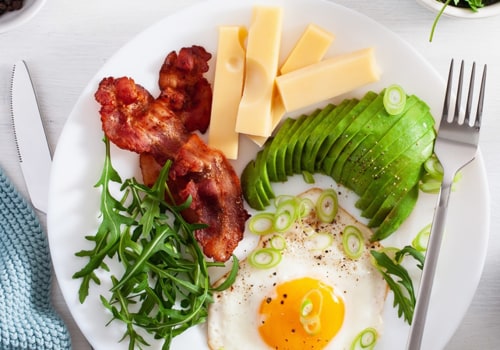
However, it is important to note that the keto diet may also increase the risk of developing kidney stones, especially in those with a history of kidney issues. Therefore, it is crucial to consult with a healthcare professional before starting the keto diet kidney stonesketo diet kidney stones .Furthermore, research suggests that the fatty liver ketogenic dietfatty liver ketogenic diet may also have potential benefits for reducing the risk of kidney stones due to its low-carbohydrate nature. One of the key principles of the keto diet is the significant reduction of carbohydrates, typically to about 20-50 grams per day. This is a stark contrast to traditional dietary guidelines that often recommend higher carbohydrate consumption. Instead of bread, pasta, and sugary snacks, keto followers focus on foods rich in healthy fats such as avocados, nuts, seeds, and oils. Protein sources like meat, fish, and eggs are also staples in this diet.
The emphasis on high-fat foods not only helps in achieving ketosis but also keeps you feeling full longer, reducing the likelihood of snacking on unhealthy options. What sets the keto diet apart from other diets is its unique approach to macronutrient ratios. While many diets promote a balanced intake of carbohydrates, proteins, and fats, the ketogenic diet prioritizes fats as the primary source of energy. This shift can lead to rapid weight loss initially due to water weight loss and fat burning. However, it’s essential to understand that sustainable weight loss on keto comes from long-term adherence to the diet and not just short-term results. In addition to weight loss, many people turn to the keto diet for its potential health benefits.
Research suggests that it may help manage conditions such as type 2 diabetes, epilepsy, and even certain neurological disorders. As you embark on your journey into the world of keto, understanding these foundational principles will empower you to make informed food choices that align with your health goals.
The Basics of Keto: Macronutrients Explained
Understanding the macronutrient breakdown is crucial for anyone embarking on a keto diet. The ketogenic diet is fundamentally about shifting your body’s metabolism from burning carbohydrates to burning fats for energy. This shift requires a specific balance of macronutrients: fats, proteins, and carbohydrates. In a typical ketogenic diet, the macronutrient ratios are generally recommended as follows:- Fats: 70-75%
- Proteins: 20-25%
- Carbohydrates: 5-10%
The low carbohydrate intake is what helps to deplete glycogen stores in the body, prompting it to start using fat as its primary fuel source.
Fats: The Cornerstone of Keto
Fats are not just a source of energy; they also play a vital role in hormone production and nutrient absorption. When selecting fats for your keto meals, focus on:- Healthy oils: Olive oil, coconut oil, and avocado oil are excellent choices.
- Nuts and seeds: Almonds, walnuts, chia seeds, and flaxseeds provide both healthy fats and fiber.
- Dairy products: Full-fat cheese, butter, and heavy cream can enhance flavor while keeping you in ketosis.
Proteins: Building Blocks
While protein is essential for muscle maintenance and repair, it’s important not to overconsume it on a keto diet. Excess protein can be converted into glucose through a process called gluconeogenesis, which may hinder your ability to stay in ketosis. Opt for high-quality protein sources such as:- Meat: Grass-fed beef, pork, and poultry are great options.
- Fish: Fatty fish like salmon and mackerel are not only rich in protein but also provide omega-3 fatty acids.
- Eggs: A versatile source of protein that can be prepared in numerous ways.
Carbohydrates: The Minimalist Approach
The key to a successful keto diet is keeping carbohydrate intake low.This means avoiding sugary foods and grains while focusing on low-carb vegetables. Aim for non-starchy vegetables such as:
- Leafy greens: Spinach, kale, and arugula are nutrient-dense options.
- Cucumbers and zucchini: Great for salads or as substitutes for pasta.
- Cruciferous vegetables: Broccoli and cauliflower can be used in various dishes while keeping carbs low.
What to Eat During Your First Week on Keto
Embarking on a ketogenic diet can be a transformative experience, especially during the first week when your body is adjusting to a new way of eating. To help you navigate this transition, here’s a comprehensive list of foods that are not only keto-friendly but also delicious and satisfying.Proteins
When selecting proteins for your first week on keto, focus on high-quality sources that are low in carbohydrates.Here are some excellent options:
- Meats: Beef, pork, lamb, and poultry (chicken, turkey) are all great choices. Opt for fatty cuts like ribeye or chicken thighs for added flavor and fat content.
- Seafood: Fatty fish such as salmon, mackerel, and sardines are not only rich in omega-3 fatty acids but also low in carbs. Shellfish like shrimp and crab can also be included.
- Eggs: A versatile staple in the keto diet, eggs can be prepared in various ways—boiled, scrambled, or as omelets filled with low-carb vegetables.
Healthy Fats
Fats are the cornerstone of the ketogenic diet. Here’s a list of healthy fats to incorporate into your meals:-
Oils: Use olive oil, coconut oil, or avocado oil for cooking and dressings.
These oils are rich in healthy fats and can enhance the flavor of your dishes.
- Butter and Ghee: Both are excellent sources of fat that can be used in cooking or as toppings for vegetables.
- Nuts and Seeds: Almonds, walnuts, chia seeds, and flaxseeds provide healthy fats along with fiber. Just be mindful of portion sizes as they can be calorie-dense.
Low-Carb Vegetables
Incorporating low-carb vegetables is essential for getting necessary nutrients while keeping your carb intake low. Here are some great options:- Leafy Greens: Spinach, kale, arugula, and romaine lettuce are all excellent choices that can be used in salads or cooked dishes.
- Cabbage: This versatile vegetable can be used in stir-fries or as a base for salads.
- Zucchini: Great for making zoodles (zucchini noodles) or adding to casseroles.
- Broccoli and Cauliflower: Both are nutrient-rich and can be roasted, steamed, or used in soups.
With the right meal plan and food choices, you’ll find that the keto diet can be both enjoyable and effective.
Sample Meal Plan for the First Week of Keto
Embarking on a ketogenic diet can be made simpler with a well-structured meal plan. Below is a sample meal plan for the first week of keto, designed to help you stay on track while enjoying delicious meals. This plan includes breakfast, lunch, dinner, and snacks, ensuring you have a variety of options to choose from.Day 1
- Breakfast: Scrambled eggs cooked in butter with spinach and feta cheese.
- Lunch: Grilled chicken salad with olive oil dressing and avocado.
- Dinner: Baked salmon with asparagus drizzled in lemon butter.
- Snack: A handful of macadamia nuts.
Day 2
- Breakfast: Chia seed pudding made with coconut milk and topped with berries.
- Lunch: Zucchini noodles tossed with pesto and grilled shrimp.
- Dinner: Beef stir-fry with broccoli and bell peppers cooked in sesame oil.
- Snack: Celery sticks with cream cheese.
Day 3
- Breakfast: Omelet filled with mushrooms, cheese, and herbs.
- Lunch: Turkey lettuce wraps with avocado and salsa.
- Dinner: Pork chops with cauliflower mash and sautéed green beans.
- Snack: Hard-boiled eggs.
Day 4
- Breakfast: Smoothie made with spinach, avocado, coconut milk, and protein powder.
- Lunch: Egg salad served in avocado halves.
- Dinner: Grilled lamb chops with a side of roasted Brussels sprouts.
- Snack: Cheese slices or cheese crisps.
Day 5
- Breakfast: Greek yogurt (unsweetened) topped with nuts and seeds.
- Lunch: Chicken Caesar salad without croutons.
- Dinner: Stuffed bell peppers filled with ground beef, cheese, and spices.
- Snack: Olives or pickles.
Day 6
- Breakfast: Fried eggs served over sautéed kale and bacon bits.
- Lunch: Tuna salad mixed with mayonnaise and served in cucumber boats.
- Dinner: Roast chicken thighs with a side of zucchini fries.
- Snack: A small portion of dark chocolate (85% cocoa or higher).
Day 7
- Breakfast: Coconut flour pancakes topped with butter and sugar-free syrup.
- Lunch: Shrimp salad with mixed greens, avocado, and lime vinaigrette.
- Dinner: Meatloaf made from ground turkey served with mashed cauliflower.
- Snack: Almonds or walnuts for a crunchy treat.
Feel free to mix and match meals according to your preferences while adhering to the keto guidelines. Happy eating!
Dealing with Keto Flu: Symptoms and Remedies
As you embark on your ketogenic journey, you may encounter a phenomenon commonly referred to as the keto flu. This term describes a collection of symptoms that some individuals experience as their bodies adjust to a low-carbohydrate, high-fat diet. Understanding these symptoms and how to manage them can significantly ease your transition into the keto lifestyle.Common Symptoms of Keto Flu
- Fatigue: A common complaint, many people feel unusually tired as their bodies switch from burning glucose to fat for energy.
- Headaches: These can range from mild to severe and are often attributed to dehydration or electrolyte imbalances.
- Nausea: Some individuals may experience digestive discomfort or nausea as their bodies adapt to new food sources.
- Irritability: Mood swings and irritability can occur due to changes in blood sugar levels and withdrawal from sugar.
- Dizziness: A feeling of lightheadedness may arise, particularly if you are not consuming enough fluids or electrolytes.
- Muscle Cramps: These can be a result of electrolyte deficiencies, especially magnesium and potassium.
How to Avoid Keto Flu
While not everyone experiences keto flu, there are several strategies you can implement to minimize your risk:
-
Stay Hydrated: Drink plenty of water throughout the day.
Dehydration is a common issue when starting keto, so aim for at least 8-10 cups daily.
- Increase Electrolyte Intake: Ensure you are getting enough sodium, potassium, and magnesium. Consider adding salt to your meals or consuming bone broth, which is rich in electrolytes.
- Gradual Transition: Instead of drastically cutting carbs overnight, consider gradually reducing your carbohydrate intake over a week or two. This can help your body adjust more smoothly.
- Eat Enough Fat: Make sure you are consuming sufficient healthy fats to fuel your body. This will help stave off hunger and provide energy.
Remedies for Keto Flu
If you do find yourself experiencing symptoms of keto flu, here are some effective remedies:
- Rest: Allow your body time to adjust by getting plenty of sleep and taking breaks when needed.
- Consume Bone Broth: This nutrient-rich liquid can help replenish electrolytes and provide hydration.
- Snack on Low-Carb Foods:Snack on Low-Carb Foods: Eating small amounts of low-carb snacks like nuts or cheese can help stabilize blood sugar levels.
- Meditation and Relaxation Techniques: Stress management through meditation or deep breathing exercises can help alleviate irritability and mood swings.
By being proactive about hydration, electrolyte balance, and gradual dietary changes, you can navigate this initial phase with greater ease. Remember that every individual's experience is unique; what works for one person may not work for another. Stay patient and listen to your body as you adapt to this new way of eating.
Tips for Success on Your Keto Journey
Embarking on a ketogenic diet can be a transformative experience, but maintaining that momentum beyond the initial week is crucial for long-term success. Here are some practical tips to help you stay on track and fully embrace your keto journey.1.Meal Prepping: Your Best Friend
One of the most effective strategies for sticking to a keto diet is meal prepping.By planning and preparing your meals in advance, you can avoid the temptation of reaching for high-carb snacks or meals when hunger strikes. Here’s how to get started:
- Choose a Day: Dedicate one day a week to meal prep. Sunday is a popular choice for many.
- Plan Your Meals: Create a menu that includes breakfast, lunch, dinner, and snacks. Focus on high-fat, low-carb recipes.
- Batch Cooking: Cook large portions of your favorite keto-friendly dishes and store them in individual containers for easy access throughout the week.
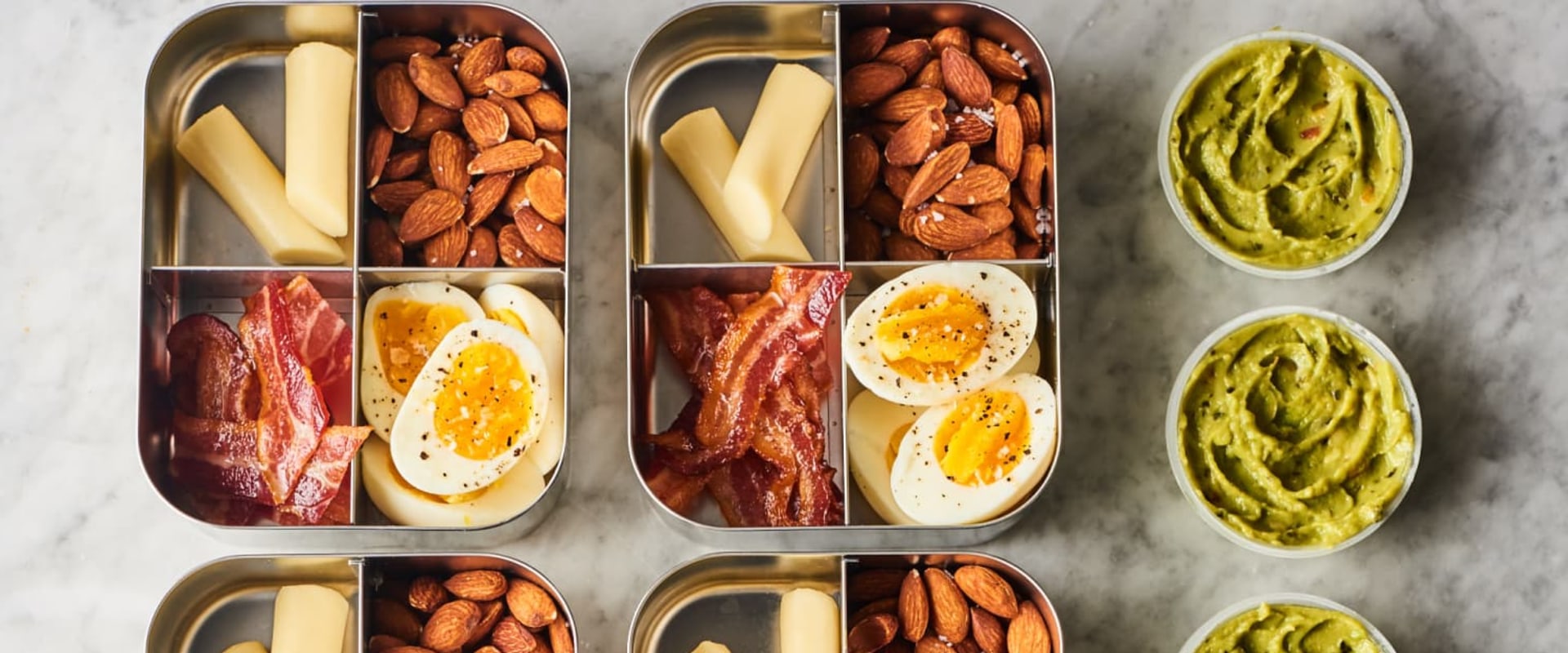
- Snack Packs: Prepare low-carb snacks like cheese cubes, nuts, or veggie sticks in advance to keep you satisfied between meals.
2.Track Your Progress
Keeping track of your food intake and progress can provide valuable insights into your keto journey.Consider these methods:
- Keto Apps: Use apps like MyFitnessPal or Carb Manager to log your meals and monitor your macronutrient ratios.
- Journaling: Maintain a food journal where you can write down what you eat, how you feel, and any changes in your body or energy levels.
- Regular Weigh-Ins: Weigh yourself weekly at the same time of day to track your weight loss progress without becoming obsessed with daily fluctuations.
3.Find Support
A strong support system can make all the difference in your keto journey. Here are some ways to connect with others:- Keto Communities: Join online forums or social media groups dedicated to the keto diet where you can share experiences, recipes, and encouragement.
- Accountability Partners: Find a friend or family member who is also interested in keto or healthy eating to keep each other motivated.
- Keto Coaches: If you're looking for personalized guidance, consider hiring a nutrition coach who specializes in ketogenic diets.
Common Mistakes to Avoid in Your First Week of Keto
Embarking on a ketogenic diet can be a transformative experience, but the first week is often fraught with challenges. Many beginners make common mistakes that can hinder their progress and lead to frustration.By being aware of these pitfalls, you can navigate your initial days on keto more effectively.
- Not Tracking Macros: One of the most significant errors beginners make is failing to track their macronutrient intake. The keto diet requires a specific ratio of fats, proteins, and carbohydrates to achieve ketosis. Without monitoring your macros, you may inadvertently consume too many carbs or not enough fats, which can stall your progress.
-
Overlooking Hidden Carbs: Many foods contain hidden carbohydrates that can quickly add up. For instance, sauces, dressings, and even certain vegetables can have higher carb counts than expected.
Always read labels and be mindful of what you’re consuming to stay within your carb limits.
- Not Drinking Enough Water: Dehydration is a common issue during the first week of keto due to the body shedding water weight. It’s crucial to increase your water intake to stay hydrated and help alleviate symptoms of the "keto flu." Aim for at least 8-10 cups of water daily.
- Neglecting Electrolytes: Along with water, your body also loses essential electrolytes like sodium, potassium, and magnesium when transitioning to keto. Low electrolyte levels can lead to fatigue, muscle cramps, and headaches. Consider incorporating electrolyte-rich foods or supplements into your diet.
-
Focusing Too Much on Protein: While protein is an essential part of the keto diet, many beginners mistakenly consume too much of it.
The focus should be on high-quality fats as the primary energy source. Excess protein can convert to glucose through gluconeogenesis, which may hinder ketosis.
- Giving Up Too Soon: The initial phase of a ketogenic diet can be challenging as your body adjusts to burning fat for fuel instead of carbohydrates. Some people experience symptoms known as the "keto flu," including fatigue and irritability. It’s important to remember that these symptoms are temporary and often resolve within a few days.
Remember that every individual’s journey is unique; patience and persistence are key as you adapt to this new way of eating.
Frequently Asked Questions About Starting Keto
Starting a ketogenic diet can raise numerous questions, especially for those who are new to this low-carb lifestyle. Below are some of the most frequently asked questions that beginners often have when embarking on their keto journey.What is the keto diet?
The keto diet, short for ketogenic diet, is a high-fat, low-carbohydrate eating plan designed to shift your body into a state of ketosis. In ketosis, your body becomes efficient at burning fat for energy instead of carbohydrates. This metabolic state can lead to weight loss and improved energy levels.How many carbs can I eat on a keto diet?
Typically, a standard ketogenic diet limits carbohydrate intake to about 20-50 grams per day.This restriction helps your body enter and maintain ketosis. It's essential to focus on consuming low-carb vegetables, healthy fats, and adequate protein while avoiding sugars and grains.
Will I experience side effects when starting keto?
Many beginners report experiencing the "keto flu" during the initial transition period. Symptoms may include fatigue, headaches, irritability, and nausea as your body adapts to burning fat instead of carbs. Staying hydrated and ensuring adequate electrolyte intake can help alleviate these symptoms.Can I eat fruits on a keto diet?
While most fruits are high in sugar and carbohydrates, some low-carb options are acceptable in moderation.Berries such as strawberries, raspberries, and blackberries can be enjoyed in small quantities due to their lower sugar content compared to other fruits.
What are some easy meals for beginners?
- Breakfast: Scrambled eggs cooked in butter with spinach and cheese.
- Lunch: A salad topped with grilled chicken, avocado, and olive oil dressing.
- Dinner: Baked salmon with asparagus sautéed in coconut oil.
Is it necessary to count calories on keto?
While calorie counting is not strictly necessary on a ketogenic diet, being mindful of portion sizes can help you achieve your weight loss goals. Focus on eating until you feel satisfied rather than overly full, prioritizing high-fat foods that keep you satiated. By addressing these common questions, beginners can feel more confident as they start their keto diet. Understanding the fundamentals will help ease the transition and set the stage for long-term success.Conclusion: Embracing Your Keto Lifestyle
As you conclude your first week on the keto diet, it's essential to reflect on the journey you've embarked upon. Transitioning to a ketogenic lifestyle is not merely about changing what you eat; it’s about embracing a new way of living that prioritizes health, energy, and well-being. Throughout this guide, we've explored the fundamental aspects of what to eat during your initial week on keto.From understanding the importance of high-fat, low-carb foods to recognizing the potential challenges like the keto flu, you are now equipped with the knowledge necessary to navigate this dietary shift successfully. Preparation is key in this journey. By planning your meals and snacks ahead of time, you can avoid the pitfalls of convenience foods that are often high in carbohydrates. Stocking your kitchen with keto-friendly ingredients such as avocados, nuts, seeds, and quality proteins will make it easier to stick to your new eating habits. Moreover, remember that every individual’s experience with the keto diet can vary. Some may find it easy to adapt, while others might face more significant challenges.
It’s crucial to listen to your body and adjust your approach as needed. If you experience symptoms of the keto flu, don’t be discouraged; these are often temporary and can be alleviated by staying hydrated and ensuring adequate electrolyte intake. As you move forward, consider joining online communities or local groups focused on the ketogenic lifestyle. Sharing experiences, recipes, and tips with others can provide motivation and support as you continue on this path. Remember that success on the keto diet is not just measured by weight loss but also by improvements in energy levels, mental clarity, and overall health. In conclusion, embracing a ketogenic lifestyle is a commitment to better health and vitality.
With careful planning, a willingness to learn, and a supportive community, you can thrive on this journey. Celebrate your progress, no matter how small, and keep pushing forward towards your health goals!.