Field note
Understanding the Impact of the Ketogenic Diet on Kidney Health
Explore how the ketogenic diet affects kidney health, including risks of kidney stones and protein intake. Learn to maintain kidney function on keto.
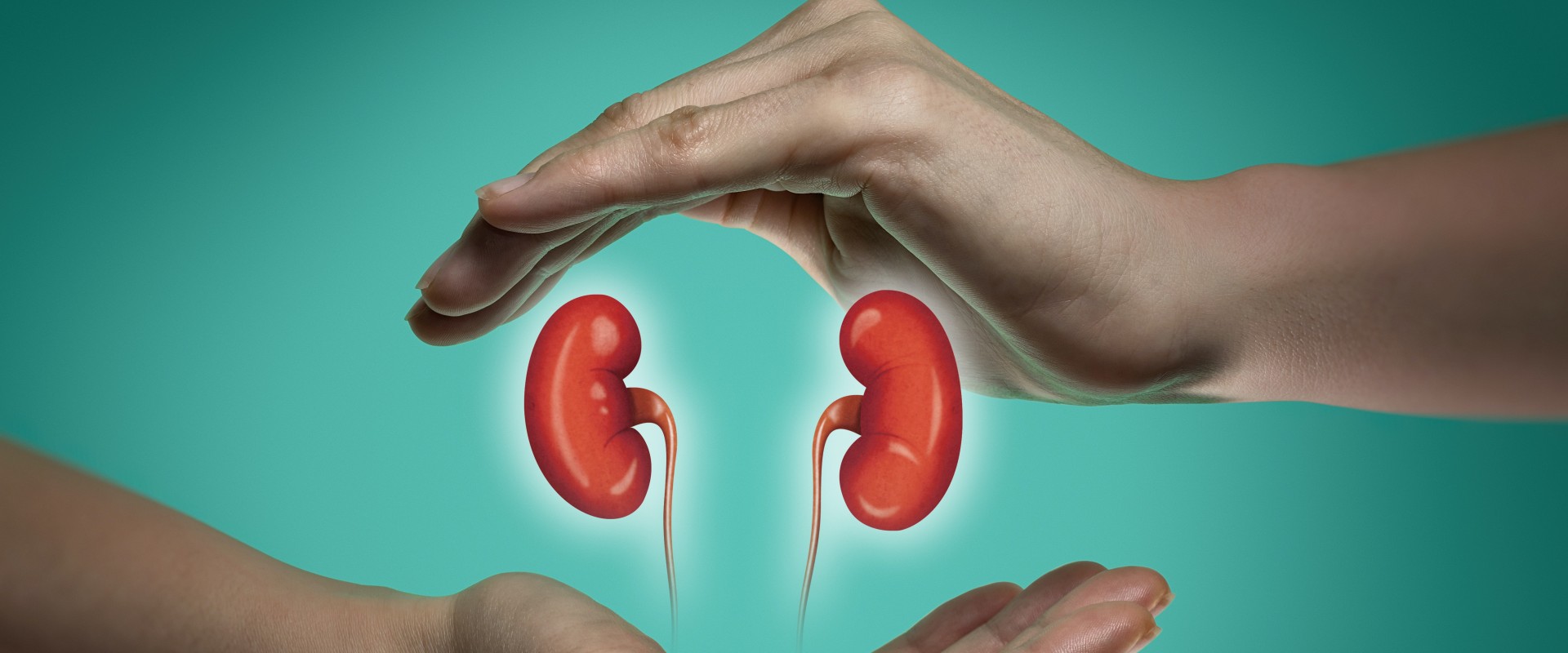
The ketogenic diet, commonly referred to as the keto diet, has surged in popularity over recent years, attracting attention for its potential to promote weight loss and improve metabolic health. This low-carbohydrate, high-fat dietary approach encourages the body to enter a state of ketosis, where it burns fat for fuel instead of carbohydrates. While many individuals have reported success with this diet, it is essential to consider its implications on overall health, particularly regarding kidney health, as certain foods make gout worse. One of the most concerning aspects of the keto diet is its potential impact on kidney function. The diet's high protein content and the metabolic changes it induces can place additional stress on the kidneys, which are responsible for filtering waste products from the blood and maintaining electrolyte balance. , as certain foods make gout worse. One of the most concerning aspects of the keto diet is its potential impact on kidney function. The diet's high protein content and the metabolic changes it induces can place additional stress on the kidneys, which are responsible for filtering waste products from the blood and maintaining electrolyte balance.
As the body adapts to ketosis, it produces higher levels of ketones, which can lead to increased acidity in the blood. This acidic environment may challenge kidney function and contribute to various complications. Moreover, research has indicated that individuals following a ketogenic diet may be at a heightened risk for developing kidney stones. These painful mineral deposits can form when the urine becomes overly concentrated with certain substances, often exacerbated by dietary factors. The keto diet's emphasis on animal proteins and low carbohydrate intake can alter urine composition, potentially leading to an increased likelihood of stone formation.
Understanding these risks is crucial for anyone considering or currently following a keto diet. As we delve deeper into the relationship between the ketogenic diet and kidney health, it becomes clear that while there are benefits associated with this dietary approach, there are also significant risks that warrant careful consideration. It is vital for individuals to consult healthcare professionals before embarking on such a restrictive eating plan, especially if they have pre-existing kidney conditions or concerns about their renal health.
What is the Ketogenic Diet?
The ketogenic diet , often referred to as the keto diet, is a high-fat, low-carbohydrate eating plan designed to shift the body’s metabolism away from carbohydrates and towards fat. This metabolic state is known as ketosis, where the body becomes highly efficient at burning fat for energy instead of relying on glucose derived from carbohydrates. Typically, a standard ketogenic diet consists of approximately 70-75% of total daily calories from fats, 20-25% from protein, and only about 5-10% from carbohydrates. This drastic reduction in carbohydrate intake forces the body to deplete its glycogen stores and begin converting fatty acids into ketones, which serve as an alternative energy source.Macronutrient Composition
- Fats: The primary source of energy on the keto diet, healthy fats such as avocados, nuts, seeds, olive oil, and fatty fish are emphasized.
- Proteins: Moderate protein intake is encouraged, focusing on high-quality sources like meat, poultry, eggs, and dairy products.
- Carbohydrates: Carbs are significantly restricted, typically limited to non-starchy vegetables and small amounts of berries to maintain ketosis.
However, it is essential to understand that while the keto diet can be effective for many individuals, it may pose certain risks, particularly concerning kidney health. The shift in metabolism can lead to increased production of ketones and uric acid, which may place additional stress on the kidneys. Furthermore, the high protein intake associated with some variations of the keto diet can exacerbate existing kidney issues or contribute to the formation of kidney stones. Therefore, understanding the fundamentals of the ketogenic diet is crucial for anyone considering this dietary approach, especially those with pre-existing kidney conditions.
How the Ketogenic Diet Affects Kidney Function
The ketogenic diet has gained popularity for its potential benefits in weight loss and metabolic health, but it can also have significant implications for kidney function. Understanding how this diet affects the kidneys is crucial, especially for individuals with pre-existing kidney conditions or those at risk of developing kidney issues. One of the primary ways the ketogenic diet impacts kidney health is through increased protein intake.The diet typically emphasizes high-fat and moderate-protein consumption, which can lead to a higher burden on the kidneys. When protein is metabolized, it produces waste products that the kidneys must filter out. This increased workload can be particularly concerning for individuals with compromised kidney function, as it may accelerate the decline in their renal health. Moreover, the production of ketones during ketosis can also affect kidney function. Ketones are by-products of fat metabolism that occur when carbohydrate intake is significantly reduced.
While ketones can provide an alternative energy source for the body, elevated levels can lead to a more acidic blood environment, known as ketoacidosis in extreme cases. This acidic state forces the kidneys to work harder to maintain acid-base balance, potentially leading to further stress and damage over time. Additionally, a common side effect of the ketogenic diet is dehydration, which can exacerbate kidney strain. The initial stages of the diet often result in rapid water loss due to glycogen depletion. If individuals do not adequately hydrate, this can lead to concentrated urine and increase the risk of kidney stones.
Kidney stones are primarily composed of calcium oxalate or uric acid, both of which can form more readily in an acidic and dehydrated environment. To mitigate these risks, it is essential for those following a ketogenic diet to:
- Stay Hydrated: Drink plenty of water throughout the day to help dilute urine and reduce the risk of stone formation.
- Monitor Protein Intake: Aim for a moderate protein intake that aligns with individual health needs rather than excessive consumption.
- Consider Supplementation: Discuss with a healthcare provider about potential supplements like potassium citrate that may help maintain kidney health.
Protein Intake and Kidney Health: Finding the Balance
When following a keto diet, understanding the relationship between protein intake and kidney health is crucial. While protein is an essential macronutrient that supports muscle growth, repair, and overall bodily functions, excessive consumption can pose risks, particularly for those with pre-existing kidney conditions. The ketogenic diet typically emphasizes a higher intake of fats and a moderate amount of protein, which can vary based on individual goals and health status. For most individuals, a protein intake of about 1.2 to 2.0 grams per kilogram of desired body weight is recommended.This range is considered adequate for maintaining muscle mass while adhering to the low-carb principles of the keto diet. However, it’s important to recognize that not all protein sources are created equal. Diets high in animal proteins can lead to increased acid production in the body, which may result in more acidic urine. This acidic environment can contribute to the formation of kidney stones, particularly calcium oxalate stones, which are the most common type.
Excess Protein and Kidney Function
Excessive protein intake can place additional stress on the kidneys. The kidneys are responsible for filtering waste products from protein metabolism, and when protein consumption exceeds the body’s needs, it forces the kidneys to work harder.Over time, this increased workload can lead to scarring of the glomeruli—tiny filters in the kidneys—potentially diminishing kidney function. For individuals with existing kidney issues or those at risk for kidney disease, it is advisable to limit protein intake significantly. Recommendations often suggest reducing protein consumption to between 0.6 to 0.8 grams per kilogram of body weight per day. This lower intake can help slow the progression of kidney disease and reduce the risk of complications.
Finding the Right Balance
To maintain optimal kidney health while on a ketogenic diet, it’s essential to find a balance in protein intake:- Monitor Protein Sources: Choose high-quality protein sources such as fish, poultry, eggs, and plant-based proteins that are lower in purines.
- Stay Hydrated: Adequate hydration helps dilute urine and may reduce the risk of stone formation.
- Consult Healthcare Professionals: Regular check-ups with healthcare providers can help tailor dietary choices based on individual health needs.
Acidosis and Its Effects on Kidney Function in Keto Dieters
One of the significant concerns for individuals following a keto diet is the potential for metabolic acidosis, a condition characterized by an excess of acid in the body.This can occur when ketone levels rise significantly, leading to a state where the blood becomes more acidic. Understanding how this affects kidney function is crucial for anyone considering or currently on a ketogenic diet. When the body enters ketosis, it begins to break down fat for energy, producing ketones as a byproduct. While this process can be beneficial for weight loss and managing certain medical conditions, excessive ketone production can overwhelm the body's ability to maintain a balanced pH level. The kidneys play a vital role in regulating this acid-base balance by filtering out excess acids and maintaining electrolyte levels. In cases of severe acidosis, the kidneys may struggle to keep up with the increased demand for acid excretion.
This can lead to several negative outcomes:
- Increased workload: The kidneys must work harder to filter out the excess acids, which can lead to fatigue and potential damage over time.
- Electrolyte imbalances: As the kidneys excrete more acids, they may also lose essential electrolytes like sodium, potassium, and calcium. This imbalance can result in symptoms such as muscle cramps, weakness, and irregular heart rhythms.
- Decreased kidney function: Chronic acidosis can lead to scarring of the kidney's filtering units (glomeruli), which may impair their ability to function effectively. Over time, this can contribute to chronic kidney disease.
- Hydration: Drinking plenty of water helps dilute ketones and supports kidney function by facilitating the excretion of excess acids.
- Balanced nutrient intake: Incorporating adequate amounts of vegetables and low-carb fruits can provide necessary vitamins and minerals that support kidney health.
-
Monitoring protein intake: While protein is an essential part of the keto diet, excessive consumption can exacerbate acidosis.
Aim for a moderate protein intake that aligns with your individual health needs.
Hydration: A Key Factor in Kidney Health on Keto
When following a keto diet, maintaining proper hydration is crucial for overall health, particularly for kidney function. The ketogenic diet, which is high in fats and low in carbohydrates, can lead to increased fluid loss through urine. This diuretic effect is often a result of the body transitioning into ketosis, where it begins to burn fat for fuel instead of carbohydrates.As a consequence, individuals on a keto diet may experience dehydration if they do not adequately replenish their fluid intake. Dehydration can have serious implications for kidney health. The kidneys play a vital role in filtering waste products from the blood and regulating electrolyte balance. Insufficient hydration can lead to concentrated urine, which increases the risk of developing kidney stones. Kidney stones are often composed of calcium oxalate or uric acid, and when urine is too concentrated, these substances can crystallize and form stones.
Tips for Staying Hydrated on a Keto Diet
-
Drink Plenty of Water: Aim for at least 8-10 cups (64-80 ounces) of water daily.
This amount may need to be increased based on activity level and climate.
- Monitor Electrolyte Levels: On a keto diet, you may lose more electrolytes such as sodium, potassium, and magnesium. Consider incorporating electrolyte-rich beverages or supplements to maintain balance.
- Include Hydrating Foods: Foods like cucumbers, lettuce, and celery have high water content and can contribute to your overall hydration.
- Avoid Excessive Caffeine and Alcohol: Both substances can have diuretic effects, leading to increased fluid loss. Limit their intake to maintain hydration levels.
- Set Reminders: Use apps or alarms to remind yourself to drink water throughout the day, especially if you tend to forget.
By prioritizing hydration, you can help protect your kidneys and enhance your overall well-being while enjoying the benefits of a ketogenic lifestyle.
Supplementation: Can It Help Protect Your Kidneys?
As individuals embark on the keto diet, concerns about kidney health often arise, particularly regarding the formation of kidney stones and overall renal function. While dietary changes can pose risks, certain supplements may offer protective benefits. One such supplement is potassium citrate, which has garnered attention for its potential to mitigate some of the adverse effects associated with a high-protein, low-carbohydrate diet.Potassium Citrate: A Key Player
Potassium citrate is a compound that can help alkalinize urine, thereby reducing the risk of kidney stone formation. Research indicates that individuals on a ketogenic diet may experience more acidic urine due to increased protein intake and lower carbohydrate consumption.
This acidic environment can lead to the crystallization of minerals, resulting in kidney stones. A study published in the Journal of Child Neurology highlighted that children on a ketogenic diet for epilepsy treatment showed a significant reduction in kidney stone incidence when supplemented with potassium citrate.
For those considering potassium citrate as a supplement, it is essential to consult with a healthcare professional. They can provide guidance on appropriate dosages and monitor any potential interactions with other medications or health conditions.
highlighted that children on a ketogenic diet for epilepsy treatment showed a significant reduction in kidney stone incidence when supplemented with potassium citrate.
For those considering potassium citrate as a supplement, it is essential to consult with a healthcare professional. They can provide guidance on appropriate dosages and monitor any potential interactions with other medications or health conditions.
Other Supplements to Consider
- Magnesium: This mineral plays a crucial role in various bodily functions, including muscle and nerve function, and may help prevent kidney stones by inhibiting calcium oxalate crystallization.
- Calcium: Contrary to popular belief, adequate calcium intake can actually help reduce the risk of kidney stones. It binds to oxalate in the intestines, preventing its absorption and subsequent excretion through urine.
- Vitamin B6: Some studies suggest that vitamin B6 may help reduce urinary oxalate levels, thus lowering the risk of stone formation.
- Omega-3 Fatty Acids: These healthy fats can help reduce inflammation and support overall kidney health, making them a beneficial addition to a ketogenic diet.
Hydration: An Essential Component
In addition to supplementation, maintaining proper hydration is vital for kidney health while on a ketogenic diet.
Increased protein intake can lead to higher nitrogen waste products that need to be filtered by the kidneys. Drinking sufficient water helps dilute these waste products and reduces the risk of stone formation. Aim for at least 2-3 liters of water daily, adjusting based on activity level and individual needs. In conclusion, while the keto diet presents certain risks to kidney health, appropriate supplementation and hydration strategies can significantly mitigate these risks. Potassium citrate stands out as a promising option for preventing kidney stones, but it should be part of a broader approach that includes other beneficial supplements and adequate fluid intake.
Always consult with a healthcare provider before starting any new supplement regimen to ensure safety and efficacy.
Who Should Avoid the Ketogenic Diet?
The ketogenic diet, while popular for its potential weight loss and health benefits, is not suitable for everyone. Certain populations may face increased risks, particularly concerning kidney health. Understanding who should avoid the keto diet is crucial for making informed dietary choices.Individuals with Pre-existing Kidney Conditions
- People with chronic kidney disease (CKD) should approach the ketogenic diet with caution. The high protein intake associated with keto can exacerbate kidney function decline, as the kidneys may struggle to filter out the by-products of protein metabolism.
- Those with a history of kidney stones are also at risk.
The keto diet can lead to more acidic urine, increasing the likelihood of stone formation, particularly calcium oxalate stones.
Diabetics and Insulin-Dependent Individuals
- While some studies suggest that low-carb diets can improve blood sugar control in type 2 diabetes, individuals with type 1 diabetes or those on insulin therapy should be cautious. The drastic changes in carbohydrate intake can lead to unpredictable blood sugar levels, which may require careful monitoring and adjustments in medication. While some studies suggest that low-carb diets can improve blood sugar control in type 2 diabetes, individuals with type 1 diabetes or those on insulin therapy should be cautious. The drastic changes in carbohydrate intake can lead to unpredictable blood sugar levels, which may require careful monitoring and adjustments in medication.
Pregnant and Breastfeeding Women
- The nutritional needs during pregnancy and lactation are heightened. A strict ketogenic diet may not provide sufficient nutrients for both mother and child, potentially leading to deficiencies that could affect fetal development or milk quality.
Individuals with a History of Eating Disorders
- For those who have struggled with eating disorders, the restrictive nature of the ketogenic diet can trigger unhealthy behaviors or thoughts about food. It is essential for these individuals to seek guidance from healthcare professionals before making significant dietary changes.
Consulting Healthcare Professionals
Before embarking on a ketogenic diet, it is vital to consult with a healthcare provider or a registered dietitian.
They can help assess individual health conditions and provide personalized recommendations. This step is especially important for those in the aforementioned categories, as they may require tailored dietary plans that prioritize kidney health and overall well-being.
<strong>Conclusion</strong>: Weighing the Risks and Benefits of the Ketogenic Diet for Kidney Health
As we conclude our exploration of the ketogenic diet and its implications for kidney health, it is essential to weigh both the potential benefits and risks associated with this dietary approach. The keto diet, characterized by its low carbohydrate intake and high fat consumption, has gained popularity for its effectiveness in weight loss and management of certain medical conditions, such as epilepsy and type 2 diabetes. However, the impact on kidney health cannot be overlooked. One of the primary concerns regarding the keto diet is its association with an increased risk of kidney stones.Studies indicate that individuals on a ketogenic diet may experience a higher incidence of kidney stones compared to the general population. This is particularly relevant for those who consume excessive amounts of animal protein, which can lead to more acidic urine and create an environment conducive to stone formation. Moreover, the high protein content typical of many ketogenic diets can place additional strain on the kidneys. When protein intake exceeds the body’s needs, the kidneys must work harder to filter out waste products from protein metabolism. Over time, this increased workload can lead to scarring of the glomeruli, the tiny filters in the kidneys, potentially resulting in diminished kidney function. However, it is important to note that not all individuals will experience adverse effects on their kidney health while following a ketogenic diet.
Some research suggests that moderate protein intake may not significantly harm kidney function, especially in individuals without pre-existing kidney issues. Additionally, proper hydration and balanced nutrient intake can mitigate some risks associated with this diet. In summary, while the ketogenic diet offers various benefits, particularly for weight management and metabolic health, it also poses certain risks to kidney health that should not be ignored. Individuals considering this dietary approach should consult healthcare professionals to tailor their diet according to their specific health needs and monitor their kidney function regularly. By doing so, they can enjoy the advantages of the keto diet while minimizing potential harm to their kidneys.