Field note
The Ultimate Guide to the Keto Diet for Reducing Fatty Liver
Discover how the keto diet can effectively reduce fatty liver disease and improve liver health through weight loss and better nutrition.
Fatty liver disease, medically known as hepatic steatosis, is a condition characterized by the excessive accumulation of fat in liver cells. This condition can be classified into two main types: alcoholic fatty liver disease, which is linked to heavy alcohol consumption, and non-alcoholic fatty liver disease (NAFLD), which occurs in individuals who drink little to no alcohol. NAFLD has become increasingly prevalent, particularly in the context of rising obesity rates and sedentary lifestyles. Understanding the underlying causes and symptoms of fatty liver disease is essential for effective management and treatment during keto diet week 1.Furthermore, research has shown that following a keto diet is keto diet good for high cholesterol can have positive effects on heart health, making it a potential solution for managing NAFLD and promoting keto diet heart health.The primary causes of fatty liver disease include obesity, insulin resistance, high blood sugar levels, and dyslipidemia, which refers to abnormal levels of lipids in the blood. Other contributing factors may include certain medications, rapid weight loss, and specific medical conditions such as diabetes and metabolic syndrome. As the liver plays a crucial role in metabolizing fats and detoxifying the body, its health is vital for overall well-being. Fatty liver disease, medically known as hepatic steatosis, is a condition characterized by the excessive accumulation of fat in liver cells. This condition can be classified into two main types: alcoholic fatty liver disease, which is linked to heavy alcohol consumption, and non-alcoholic fatty liver disease (NAFLD), which occurs in individuals who drink little to no alcohol. NAFLD has become increasingly prevalent, particularly in the context of rising obesity rates and sedentary lifestyles. Understanding the underlying causes and symptoms of fatty liver disease is essential for effective management and treatment during keto diet week 1.Furthermore, research has shown that following a keto diet is keto diet good for high cholesterol can have positive effects on heart health, making it a potential solution for managing NAFLD and promoting keto diet heart health. The primary causes of fatty liver disease include obesity, insulin resistance, high blood sugar levels, and dyslipidemia, which refers to abnormal levels of lipids in the blood. Other contributing factors may include certain medications, rapid weight loss, and specific medical conditions such as diabetes and metabolic syndrome. As the liver plays a crucial role in metabolizing fats and detoxifying the body, its health is vital for overall well-being. .Furthermore, research has shown that following a keto diet is keto diet good for high cholesterol can have positive effects on heart health, making it a potential solution for managing NAFLD and promoting keto diet heart health. The primary causes of fatty liver disease include obesity, insulin resistance, high blood sugar levels, and dyslipidemia, which refers to abnormal levels of lipids in the blood. Other contributing factors may include certain medications, rapid weight loss, and specific medical conditions such as diabetes and metabolic syndrome. As the liver plays a crucial role in metabolizing fats and detoxifying the body, its health is vital for overall well-being. Fatty liver disease, medically known as hepatic steatosis, is a condition characterized by the excessive accumulation of fat in liver cells. This condition can be classified into two main types: alcoholic fatty liver disease, which is linked to heavy alcohol consumption, and non-alcoholic fatty liver disease (NAFLD), which occurs in individuals who drink little to no alcohol. NAFLD has become increasingly prevalent, particularly in the context of rising obesity rates and sedentary lifestyles. Understanding the underlying causes and symptoms of fatty liver disease is essential for effective management and treatment during keto diet week 1.Furthermore, research has shown that following a keto diet is keto diet good for high cholesterol can have positive effects on heart health, making it a potential solution for managing NAFLD and promoting keto diet heart health. The primary causes of fatty liver disease include obesity, insulin resistance, high blood sugar levels, and dyslipidemia, which refers to abnormal levels of lipids in the blood. Other contributing factors may include certain medications, rapid weight loss, and specific medical conditions such as diabetes and metabolic syndrome. As the liver plays a crucial role in metabolizing fats and detoxifying the body, its health is vital for overall well-being. can have positive effects on heart health, making it a potential solution for managing NAFLD and promoting keto diet heart health. The primary causes of fatty liver disease include obesity, insulin resistance, high blood sugar levels, and dyslipidemia, which refers to abnormal levels of lipids in the blood. Other contributing factors may include certain medications, rapid weight loss, and specific medical conditions such as diabetes and metabolic syndrome. As the liver plays a crucial role in metabolizing fats and detoxifying the body, its health is vital for overall well-being. Fatty liver disease, medically known as hepatic steatosis, is a condition characterized by the excessive accumulation of fat in liver cells. This condition can be classified into two main types: alcoholic fatty liver disease, which is linked to heavy alcohol consumption, and non-alcoholic fatty liver disease (NAFLD), which occurs in individuals who drink little to no alcohol. NAFLD has become increasingly prevalent, particularly in the context of rising obesity rates and sedentary lifestyles. Understanding the underlying causes and symptoms of fatty liver disease is essential for effective management and treatment during keto diet week 1.Furthermore, research has shown that following a keto diet is keto diet good for high cholesterol can have positive effects on heart health, making it a potential solution for managing NAFLD and promoting keto diet heart health. The primary causes of fatty liver disease include obesity, insulin resistance, high blood sugar levels, and dyslipidemia, which refers to abnormal levels of lipids in the blood. Other contributing factors may include certain medications, rapid weight loss, and specific medical conditions such as diabetes and metabolic syndrome. As the liver plays a crucial role in metabolizing fats and detoxifying the body, its health is vital for overall well-being. .Furthermore, research has shown that following a keto diet is keto diet good for high cholesterol can have positive effects on heart health, making it a potential solution for managing NAFLD and promoting keto diet heart health. The primary causes of fatty liver disease include obesity, insulin resistance, high blood sugar levels, and dyslipidemia, which refers to abnormal levels of lipids in the blood. Other contributing factors may include certain medications, rapid weight loss, and specific medical conditions such as diabetes and metabolic syndrome. As the liver plays a crucial role in metabolizing fats and detoxifying the body, its health is vital for overall well-being. Fatty liver disease, medically known as hepatic steatosis, is a condition characterized by the excessive accumulation of fat in liver cells. This condition can be classified into two main types: alcoholic fatty liver disease, which is linked to heavy alcohol consumption, and non-alcoholic fatty liver disease (NAFLD), which occurs in individuals who drink little to no alcohol. NAFLD has become increasingly prevalent, particularly in the context of rising obesity rates and sedentary lifestyles. Understanding the underlying causes and symptoms of fatty liver disease is essential for effective management and treatment during keto diet week 1.Furthermore, research has shown that following a keto diet is keto diet good for high cholesterol can have positive effects on heart health, making it a potential solution for managing NAFLD and promoting keto diet heart health. The primary causes of fatty liver disease include obesity, insulin resistance, high blood sugar levels, and dyslipidemia, which refers to abnormal levels of lipids in the blood. Other contributing factors may include certain medications, rapid weight loss, and specific medical conditions such as diabetes and metabolic syndrome. As the liver plays a crucial role in metabolizing fats and detoxifying the body, its health is vital for overall well-being.
When fat accumulates in the liver, it can lead to inflammation, scarring, and even liver failure if left untreated. Symptoms of fatty liver disease can often be subtle or non-existent in the early stages. However, as the condition progresses, individuals may experience fatigue, discomfort in the upper right abdomen, and unexplained weight loss. In some cases, more severe symptoms may arise, including jaundice (yellowing of the skin and eyes) and swelling in the abdomen or legs. Recognizing these symptoms early on is crucial for timely intervention. Diet plays a pivotal role in managing fatty liver disease.
A well-balanced diet can help reduce fat accumulation in the liver and improve overall liver function. This is where dietary approaches like the keto diet come into play. By understanding fatty liver disease's causes and symptoms, individuals can make informed dietary choices that support their liver health and overall wellness.
What is the Keto Diet?
The keto diet, short for ketogenic diet, is a high-fat, low-carbohydrate eating plan designed to shift the body’s metabolism away from carbohydrates and towards fat. This dietary approach is based on the principle of ketosis , a metabolic state in which the body becomes highly efficient at burning fat for energy instead of relying on glucose derived from carbohydrates. In a typical keto diet, the macronutrient composition is approximately:- 70-75% fats
- 20-25% protein
- 5-10% carbohydrates
This process not only aids in weight loss but also has several potential health benefits, particularly for individuals dealing with conditions like fatty liver disease.
Benefits of the Keto Diet
The keto diet offers numerous advantages that can be particularly beneficial for those looking to improve liver health:- Weight Loss: By promoting fat burning, the keto diet can lead to significant weight loss, which is crucial for reducing liver fat.
- Improved Insulin Sensitivity: Lower carbohydrate intake can enhance insulin sensitivity, helping to regulate blood sugar levels and reduce the risk of type 2 diabetes.
- Reduced Inflammation: The diet may help lower inflammation markers in the body, which is essential for liver health.
- Enhanced Energy Levels: Many people report increased energy and mental clarity when in ketosis, as fat is a more stable energy source than carbohydrates.
How Keto Works
The transition into ketosis typically takes a few days to a week, during which individuals may experience symptoms known as the "keto flu," including fatigue and irritability. However, once fully adapted, the body becomes adept at utilizing ketones for energy. This metabolic shift not only aids in weight management but also helps in reducing liver fat accumulation. In summary, understanding the keto diet and its mechanisms can provide valuable insights into how it may support individuals with fatty liver disease. By focusing on high-quality fats and minimizing carbohydrate intake, this dietary approach can promote better liver health and overall well-being.How the Keto Diet Can Help Reduce Fatty Liver
The keto diet, characterized by its low carbohydrate and high fat intake, has gained significant attention for its potential benefits in managing various health conditions, including fatty liver disease.This dietary approach not only promotes weight loss but also plays a crucial role in reducing liver fat and improving overall liver health. One of the primary ways the keto diet aids in combating fatty liver is through weight loss. Excess body weight is a major risk factor for developing fatty liver disease, as it contributes to increased fat accumulation in the liver. By significantly reducing carbohydrate intake, the body enters a state of ketosis, where it burns fat for fuel instead of carbohydrates. This metabolic shift can lead to substantial weight loss, which is essential for individuals struggling with fatty liver. Moreover, studies have shown that the keto diet can lead to a reduction in liver fat content.
A study published in the journal Hepatology found that participants following a ketogenic diet experienced a significant decrease in liver fat after just 12 weeks. This reduction is attributed to the diet's ability to lower insulin levels and improve insulin sensitivity, which are critical factors in managing fatty liver disease. In addition to weight loss and reduced liver fat, the keto diet may also help decrease inflammation in the liver. Chronic inflammation is a common issue for those with fatty liver disease, leading to further complications such as fibrosis or cirrhosis. The high-fat content of the keto diet, particularly from sources rich in omega-3 fatty acids like fish and nuts, can help mitigate this inflammation.
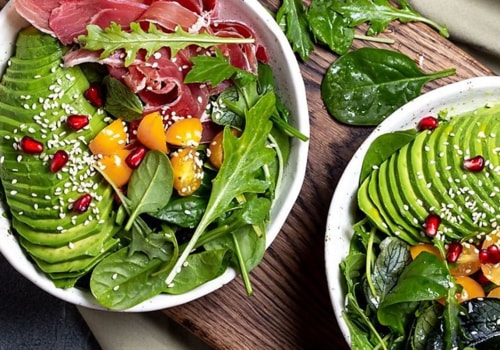
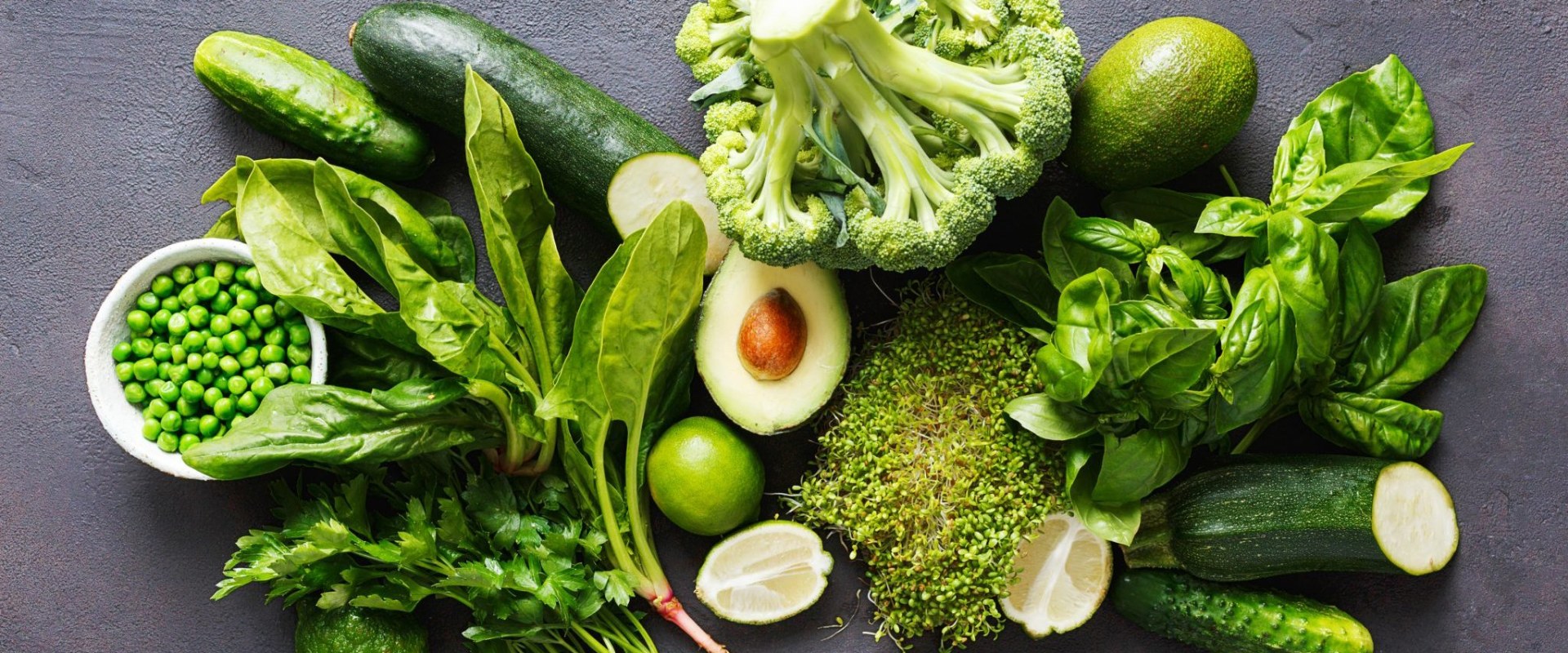
Omega-3s are known for their anti-inflammatory properties and can support liver health by reducing oxidative stress. Furthermore, the keto diet encourages the consumption of nutrient-dense foods that are beneficial for liver function. Foods such as avocados, olive oil, and leafy greens provide essential vitamins and minerals that support metabolic processes and detoxification pathways in the liver. Incorporating these foods into a ketogenic meal plan not only enhances overall health but also specifically targets issues related to fatty liver. In conclusion, adopting a keto diet can be an effective strategy for individuals looking to reduce fatty liver disease. Through weight loss, decreased inflammation, and improved liver function, this dietary approach offers a multifaceted solution to managing this condition.
As always, it is advisable to consult with a healthcare professional before making significant dietary changes, especially for those with existing health concerns.
Foods to Avoid on a Keto Diet for Fatty Liver
When following a keto diet to manage fatty liver, it is crucial to be mindful of the foods you consume. While the keto diet emphasizes high-fat and low-carbohydrate intake, certain foods can hinder your progress and exacerbate liver issues. Here are some key categories of foods to avoid:-
Sugary Foods: One of the most significant contributors to fatty liver disease is excessive sugar intake. Foods high in added sugars, such as candies, pastries, and sugary beverages, can lead to increased fat accumulation in the liver.
It is essential to limit or eliminate these items from your diet. Instead, opt for natural sweeteners like stevia or erythritol in moderation.
- Processed Foods: Many processed foods contain unhealthy fats, preservatives, and hidden sugars that can negatively impact liver health. Items like packaged snacks, frozen meals, and fast food often have trans fats and high levels of sodium, which can contribute to inflammation and fatty liver progression. Focus on whole, unprocessed foods instead.
-
Refined Carbohydrates: Foods made from white flour, such as bread, pasta, and pastries, should be avoided on a keto diet.
These refined carbohydrates can spike blood sugar levels and lead to insulin resistance, further complicating fatty liver conditions. Choose whole grains or low-carb alternatives when necessary.
- High-Fructose Corn Syrup: This common sweetener found in many processed foods and drinks is particularly harmful to liver health. It has been linked to increased fat storage in the liver and should be strictly avoided. Always check labels for this ingredient.
-
Unhealthy Fats: While the keto diet encourages healthy fats, it is vital to avoid trans fats and highly processed vegetable oils (like soybean or corn oil).
These fats can promote inflammation and worsen liver health. Instead, focus on sources of healthy fats such as avocados, olive oil, and fatty fish.
Sample Meal Plan for a Keto Diet Targeting Fatty Liver
Creating a keto meal plan that supports liver health while targeting fatty liver disease can be both enjoyable and beneficial. Below is a sample meal plan that incorporates keto-friendly foods, focusing on nutrient-dense options that promote liver function.Breakfast
-
Avocado and Egg Breakfast Bowl : Start your day with a bowl of mashed avocado topped with poached eggs.
Add a sprinkle of salt, pepper, and a dash of lime juice for flavor. This meal is rich in healthy fats and protein, making it perfect for a keto diet.
- Chia Seed Pudding : Combine 3 tablespoons of chia seeds with 1 cup of unsweetened almond milk. Let it sit overnight in the fridge. In the morning, top it with a few berries and a sprinkle of cinnamon for added flavor and antioxidants.
Lunch
-
Spinach Salad with Grilled Chicken : Toss fresh spinach leaves with grilled chicken breast, sliced cucumbers, and cherry tomatoes.
Drizzle with olive oil and apple cider vinegar for a refreshing dressing. This salad is low in carbs and high in nutrients.
- Zucchini Noodles with Pesto : Spiralize zucchini to create noodles and sauté them lightly. Toss with homemade basil pesto (made from basil, garlic, olive oil, and pine nuts) for a delicious low-carb pasta alternative.
Dinner
-
Baked Salmon with Asparagus : Season salmon fillets with lemon juice, garlic, and herbs before baking them in the oven. Serve alongside roasted asparagus drizzled with olive oil.
This dish is rich in omega-3 fatty acids, which are beneficial for liver health.
- Cauliflower Rice Stir-Fry : Sauté cauliflower rice with bell peppers, broccoli, and your choice of protein (like shrimp or chicken). Season with soy sauce or coconut aminos for an Asian-inspired dish that’s low in carbs.
Snacks
- Nuts and Seeds Mix : A handful of mixed nuts (almonds, walnuts) and seeds (pumpkin seeds) can provide healthy fats and protein to keep you satisfied between meals.
- Cucumber Slices with Hummus : Enjoy fresh cucumber slices dipped in homemade hummus made from tahini, garlic, lemon juice, and olive oil. This snack is refreshing and low in carbohydrates.
Lifestyle Changes to Support Your Keto Journey
While adopting a keto diet can significantly aid in managing fatty liver disease, incorporating additional lifestyle changes can further enhance your liver health and overall well-being.Here are some essential lifestyle modifications to consider:
Exercise Routines for Liver Health
Regular physical activity is crucial for maintaining a healthy liver. Exercise helps to reduce liver fat, improve insulin sensitivity, and promote overall metabolic health. Aim for at least 150 minutes of moderate-intensity aerobic exercise each week. Here are some effective exercise options:-
Walking: A simple yet effective way to get moving.
Aim for brisk walks that elevate your heart rate.
- Cycling: Whether stationary or on the road, cycling is a low-impact exercise that can help burn calories and reduce liver fat.
- Strength Training: Incorporating resistance exercises at least twice a week can help build muscle mass, which in turn boosts metabolism.
- Yoga: This not only improves flexibility but also reduces stress, which is beneficial for liver health.
Stress Management Techniques
Chronic stress can negatively impact liver function and contribute to fatty liver disease. Implementing stress management techniques can be beneficial:- Meditation: Practicing mindfulness meditation for just a few minutes daily can help calm the mind and reduce stress levels.
- Deep Breathing Exercises: Engaging in deep breathing can lower cortisol levels and promote relaxation.
- Journaling: Writing down your thoughts and feelings can provide an emotional outlet and help manage stress.
- Social Connections: Maintaining strong relationships with friends and family can provide support and reduce feelings of isolation.
The Importance of Sleep Hygiene
Adequate sleep is vital for overall health, including liver function. Poor sleep patterns can exacerbate fatty liver disease. To improve your sleep hygiene, consider the following tips:- Create a Sleep Schedule: Go to bed and wake up at the same time every day to regulate your body’s internal clock.
- Limit Screen Time: Reduce exposure to screens at least an hour before bedtime to promote better sleep quality.
- Create a Relaxing Bedtime Routine: Engage in calming activities such as reading or taking a warm bath before bed.
- Avoid Stimulants: Limit caffeine and nicotine intake, especially in the hours leading up to bedtime.
Remember that consistency is key; small, sustainable changes can lead to significant improvements over time.
Frequently Asked Questions about Keto and Fatty Liver
As the keto diet gains popularity, many individuals with fatty liver disease have questions about its safety and effectiveness. Below are some of the most frequently asked questions regarding the keto diet and its relationship with fatty liver.Is the keto diet safe for individuals with fatty liver disease?
The keto diet can be safe for many individuals with fatty liver disease, but it is essential to consult a healthcare professional before making significant dietary changes. The high-fat, low-carbohydrate nature of the keto diet may help reduce liver fat in some cases, but individual responses can vary. Monitoring your health and liver function during this dietary transition is crucial.Can the keto diet help improve fatty liver disease?
Research suggests that the keto diet may aid in reducing liver fat and improving overall liver health.By significantly lowering carbohydrate intake, the body enters a state of ketosis, which can promote fat burning. This process may help decrease fat accumulation in the liver, potentially leading to improved liver function over time.
What foods should I focus on while on a keto diet for fatty liver?
- Healthy fats: Incorporate sources like avocados, olive oil, and nuts.
- Low-carb vegetables: Focus on leafy greens such as spinach, kale, and broccoli.
- Lean proteins: Include fish, chicken, and plant-based proteins to support muscle health.
Are there any foods I should avoid on a keto diet for fatty liver?
While following a keto diet, it is advisable to avoid or limit:- Sugary foods: These can exacerbate fatty liver conditions.
- Processed carbohydrates: Foods like white bread and pastries can lead to increased fat storage in the liver.
- Trans fats: Found in many fried and processed foods, these can worsen inflammation and liver health.
How long does it take to see results from a keto diet for fatty liver?
The timeline for seeing results can vary based on individual factors such as adherence to the diet, overall health, and lifestyle choices. Some individuals may notice improvements in their liver function within a few weeks, while others may take several months. Regular check-ups with a healthcare provider can help track progress. In conclusion, while the keto diet shows promise for those dealing with fatty liver disease, it is vital to approach it thoughtfully and under medical guidance.Understanding how this dietary approach interacts with your specific health needs will empower you to make informed decisions about your nutrition.
Conclusion: Embracing the Keto Diet for Better Liver Health
In conclusion, adopting the keto diet can be a transformative step for individuals seeking to improve their liver health, particularly for those dealing with fatty liver disease. Throughout this article, we have explored the various ways in which a ketogenic lifestyle can aid in reducing liver fat and enhancing overall metabolic function. The keto diet emphasizes low carbohydrate intake while increasing healthy fats and moderate protein consumption. This shift in macronutrient balance not only promotes weight loss but also helps to decrease insulin resistance, a key factor in the development of fatty liver disease. By minimizing carbohydrate intake, the body enters a state of ketosis, where it efficiently burns fat for energy instead of relying on glucose.This process can lead to significant reductions in liver fat accumulation. Moreover, the inclusion of nutrient-dense foods such as leafy greens, avocados, and fatty fish provides essential vitamins and minerals that support liver function. Foods rich in omega-3 fatty acids, like salmon and walnuts, are particularly beneficial as they help reduce inflammation and promote a healthier liver environment. As you consider implementing the keto diet into your lifestyle, it is crucial to focus on whole, unprocessed foods while avoiding added sugars and refined carbohydrates. This approach not only aids in managing fatty liver but also contributes to overall health improvements. To take actionable steps towards better health:
- Consult with a healthcare professional before making significant dietary changes, especially if you have existing health conditions.
- Start gradually by reducing carbohydrate intake and increasing healthy fats.
- Incorporate regular physical activity to enhance the benefits of the keto diet.
- Monitor your progress through regular check-ups and blood tests to assess liver health.